Helpful Tips to Manage & Prevent Anxious Dogs
Thanks to all the great information out there from veterinarians, trainers, behaviorists, and other pet-care specialists, more dog owners than ever have become educated about their pup’s behaviors and their physical, mental, and even emotional needs. However, despite all this, dealing with dog anxiety is still a very common issue.
If you are reading this, it’s likely that your dog has experienced bouts of anxiety at some point in their life. This post is in no way intended to be taken as medical advice – merely a helpful guide with some tips on how to manage, and possibly prevent, anxiety in your dog.
Reasons Your Pup May Experience Anxiety
There’s a plethora of reasons as to why your pup may be experiencing some anxiety, or anxious tendencies. However, these reasons are usually completely situational and are created by environmental circumstances. Some of these circumstances may include:
Fear
Fear is one of the most common reasons your pup may be experiencing anxiety. Unfortunately, our pups cannot communicate with us through words about what exactly is frightening them – so they express it through their behavior and body language to let us know.
Separation
Separation is another leading cause of anxiety among dogs, especially for those that were raised during the Covid-19 Pandemic – commonly referred to as “Covid Puppies”. Some experts claim that nearly 15% of dogs experience regular separation anxiety. This happens when the owner leaves the dog alone for a certain amount of time (with the extent of time exacerbating the symptoms), or if a dog is re-homed or sheltered.
The aging process
The aging process is another factor that influences anxiety levels in our pups, and is not something that’s commonly thought about either. The older a dog is, the more likely their anxious habits might be triggered.
Illness, Injury, or Pain
Another cause of anxiety that is sometimes overlooked by owners is the presence of illness, injury, or pain. Dogs can typically hide pain and illness quite well, which can make it hard as an owner to understand unwanted behavior at times.
As mentioned before, body language and behavior are the only ways our dogs can let us know that something is wrong. So if your pup has been acting stressed or anxious for no apparent reason, it may be a good idea to schedule an appointment with their vet, and check for any possible injury or illness.
A History of Neglect, Sheltering, or Abuse
A history of neglect, sheltering, or abuse can also be a huge factor in a dog’s anxiety level. Dogs that have had it rough (especially for an extended period of time) can struggle immensely with severe stress, fear, and anxiety…
Neglect and abuse can cause feelings of instability and unfamiliarity even in dogs that are in better, healthier, loving environments at present. So it’s important to know and understand your dog’s past history in order to help them be less anxious in the future.
Chronic Anxiety
Although it is thought that most anxiety is induced by a stressful or unfamiliar situation, some dogs (just like people) can struggle with chronic anxiety for little to no real reason. Just like us, some dogs’ personalities are just more high-strung and anxious.
It’s important to identify this if your dog is constantly struggling with anxiety or stress, without improvement despite professional help or guidance. Although you may not be able to “fix” the root cause of this anxiety, there are still ways to help manage and prevent episodes.
*If your dog is struggling with anxiety, it’s always best to seek professional help from your veterinarian, a certified trainer, and/or a certified behaviorist.
Symptoms of Anxiety in Dogs
One of the most common symptoms of anxiety in dogs is reactivity or aggression, including barking, growling, biting, and/or lunging. Symptoms of reactivity and aggression encompass behaviors that may be threatening or harmful to us as well as other people and animals.
Reactive and aggressive behaviors are often times a precursor to escalation, conflict, or a dangerous situations for you and your dog. So it’s important to address this symptom promptly with professional help.
Another common, but sometimes overlooked, symptom of anxiety is repetitive and compulsive behaviors. This can present as pacing, excessive licking, excessive barking, panting or drooling, scratching, trembling, tail tucking, itching, and/or fidgeting.
A small amount of any of these behaviors can be normal in any dog, but when these behaviors become constant or compulsive, it’s indicative of a larger problem.
Destructive behavior is also a common symptom of a dog struggling with anxiety. This can show up as urinating and defecating in the house or in places they know not to go, or by destroying household items or belongings via chewing or scratching.
Some common places in the home most prone to anxious destruction are doors, windows, crates, or anywhere that could be a possible entry or exit. This symptom is most commonly associated with separation anxiety.
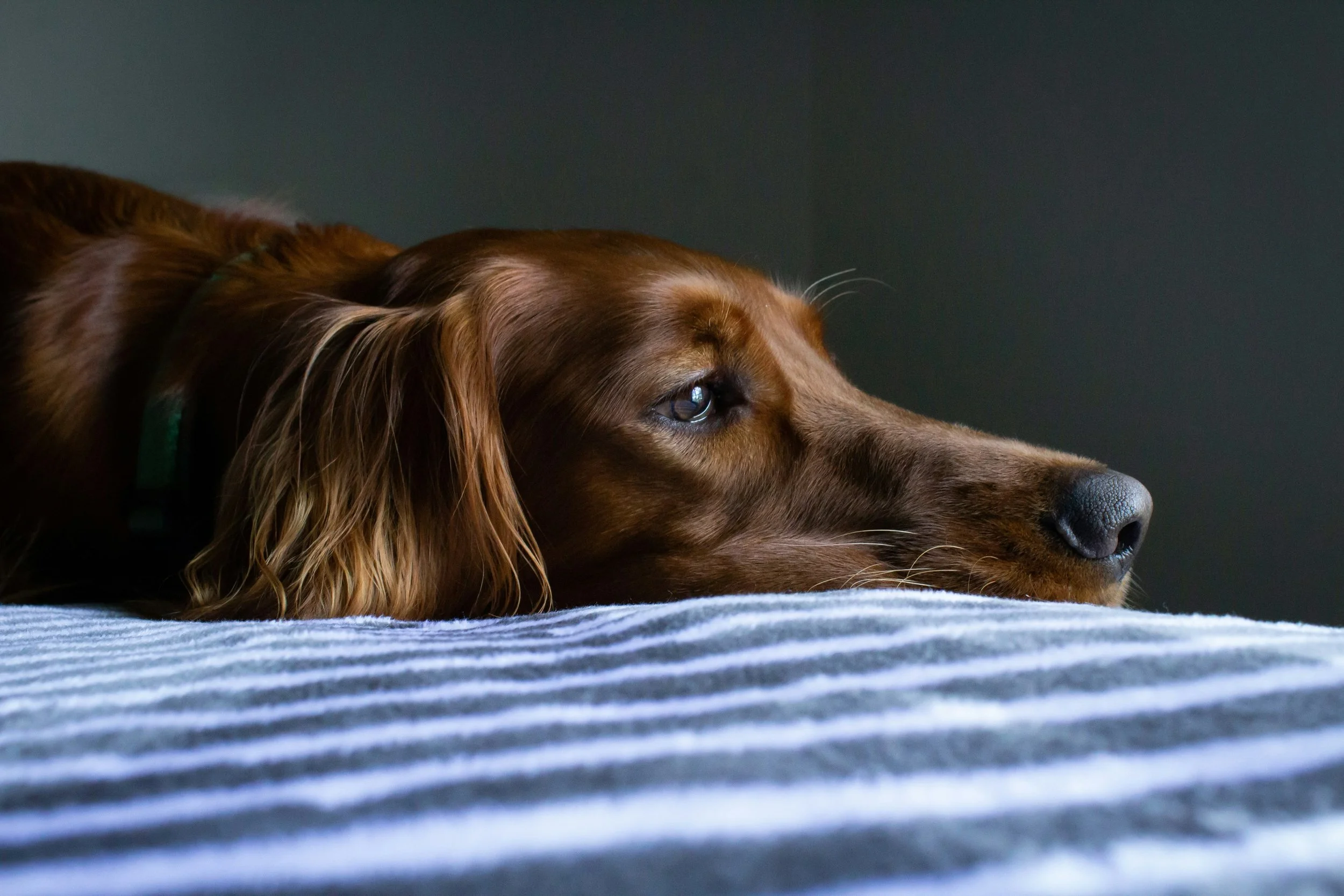
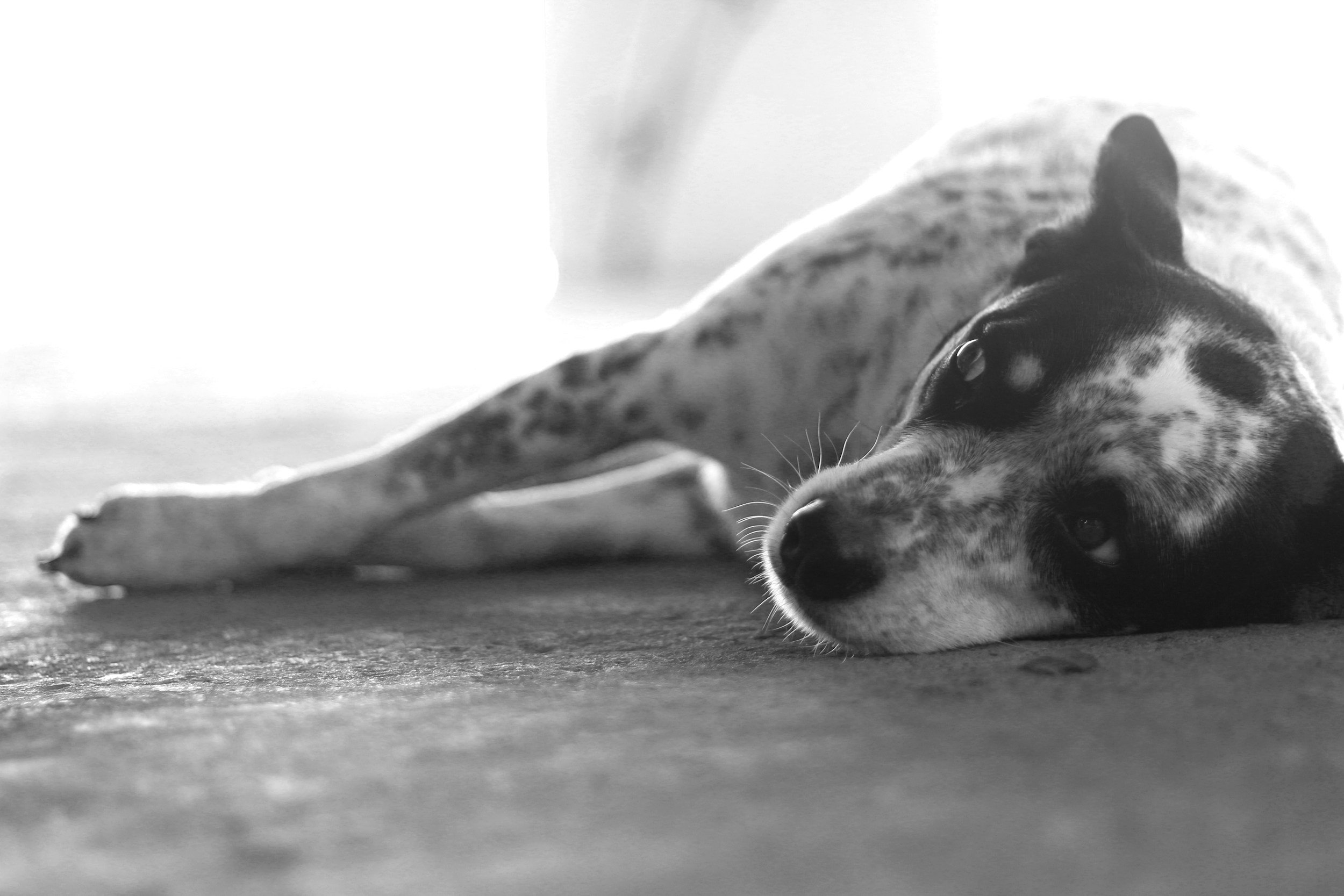
Signs of depression, loneliness, and sadness are big tell-tale signs of anxiety in your pup. Just like us humans, dogs can feel and act depressed when feeling anxious or stressed. Anxiety can be seen and felt as a big ball of compounding emotions that can be hard to let go of, even with the help of a familiar face.
Your dog may be acting overly tired, sleeping excessively, unexcited for activities or meals, uninterested in play and social behaviors, wanting to be alone, and generally not being “themselves.”
Negative body language is another sign that your pup may be feeling anxious. Examples of this include tucked ears or tail, whale eye (dilated eyes showing a lot of white), cowering, avoiding eye contact, hesitancy, and restlessness.
Managing & Preventing Anxiety
There are many different ways you can help your dog manage or even improve their anxiety. Or, more preferably, help prevent anxiety from occurring in the first place.
Routine
Dogs thrive off of having routine! So maintaining a consistent schedule for your pup, whether they suffer from anxiety or not, is extremelyimportant for their mental well-being. Similar to children, dogs do best when there is consistency, predictability, and stability in their lives.
Routines can come in many forms, such as scheduled meals or treat times, walks and play time, consistent commands, and familiarization with regular places they visit (i.e. the park, a trail, their home, the vet, etc.). Dogs that are able to predict what will happen and when it will happen tend to be much more relaxed and enthusiastic.
Exercise & Mental Stimulation
It’sno secret that happy dogs are active dogs – both physically and mentally. Dogs that have tasks, hobbies, friends, and the ability to get outside tend to be much happier and healthier.
Sometimes anxiety can stem from unspent energy that your dog needs to release. Walking, playing games, fetching, sniffing, and spending time with their friends can physically and mentally stimulate them in a way that leads to a happier, more relaxed dog.
Understanding Your Dog’s Body Language
This can be a key element in managing, and even preventing, your dog’s anxiety. In order for us to help our pups feel better, we have to be able to know when they are anxious [by reading their body language], and also anticipate in what situations or environments might bring on anxious feelings or behaviors.
This includes being mindful and respectful of our dog’s personal space, their wishes to be touched or not touched, how they prefer to eat their food, when they want to spend time alone, and avoiding situations that bring on anxiety as much as possible. This is especially important for dogs who tend to become reactive or aggressive when anxious; which can actually help bring you and your pup closer together in the long run, as they learn to trust you more.
Routine Medical Care
As stated before, sometimes anxiety stems from illness, pain, and injury. However, dogs are great at masking pain and discomfort, and many times dogs will not show just how bad they’re really feeling. It’s up to us as providers and protectors to make sure our pups are healthy. Although the vet’s office may be a possible source of anxiety for our dogs, it’s paramount to bring them in for regular check-ups, vaccines, dentals, and other care needs.
Whenever possible, it’s best to bring your pet to the same office, and if possible the same veterinarian, each time – as this helps familiarize your pet with the office space and staff. The more familiar they feel with their environment and the people in it, the more comfortable and trusting they become, helping to reduce their anxiety.
If the anxiety is persistent, chronic, and not changing regardless of your efforts, the vet may be able to prescribe anti-anxiety medications that could help as well. Remember, your veterinarian is your best resource when it comes to helping you with the needs of your dog.
Situation Avoidance & Socialization:
It may go without saying, but sometimes the best way to prevent anxiety in your dog is to simply avoid certain places or situations that cause them undue stress. For example, if your dog becomes anxious around other dogs, it may be a good idea to stay away from dog parks, doggy day care/day camp, and other places that tend to have a lot of animals in one place.
With that being said, proper socialization is necessary for most every dog, as it can help prevent or manage their stress in social situations. Giving them a safe and controlled environment to *socialize with other dogs and people can be a great way to build up their confidence and courage over time.
*Socialization may look different from dog to dog. For some pups it means playtime at the park with their best puppy-friend, or saying hello to people in a friendly, well-behaved manner. For other dogs it might mean observing other people and dogs from a healthy distance, without direct interaction. Socialization isn’t always about saying “hello”, it’s about your dog being comfortable and confident in different environments, around people and dogs – without feeling stressed or anxious.
Tools To Ease Anxiety
Although most of the work in preventing and managing your dog’s anxiety is situational and dependent on our own behaviors as their owners, there are some very helpful products and useful tools available for purchase in our Amazon store-front.
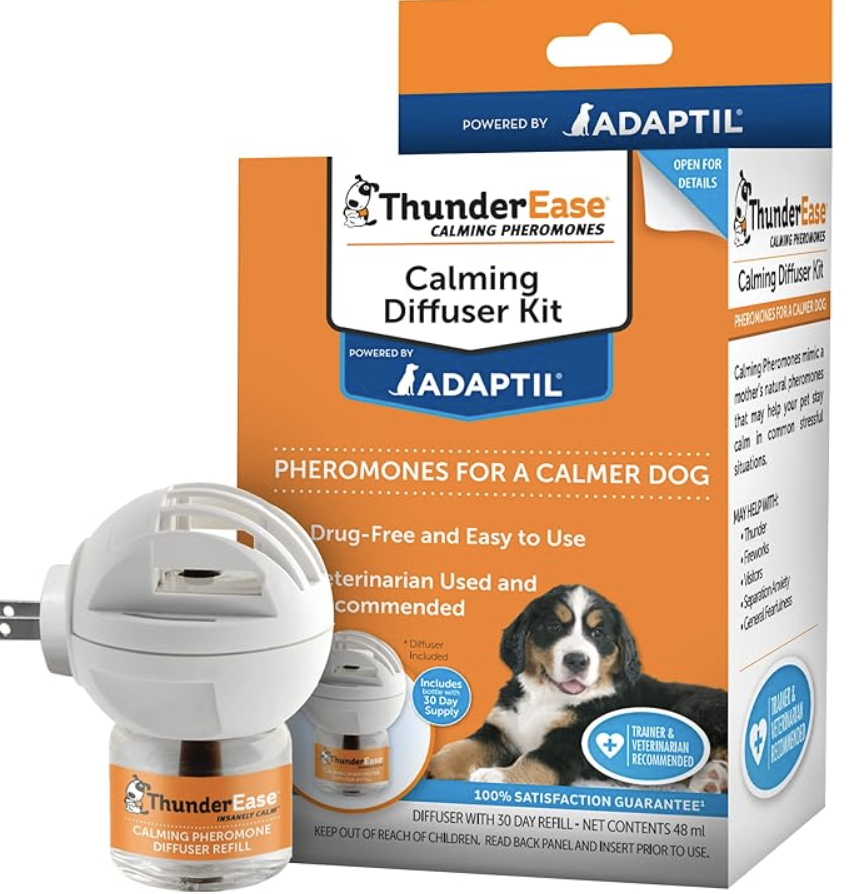
One of these products is a pheromone plug-in for the home. The pheromones they emit can help relax and soothe your dog while at home. And they are especially helpful if your dog has separation anxiety, as they can be plugged in while you are away – creating a more relaxed environment for your pup.
Another helpful product are ThunderShirts, which are essentially compression shirts for your dog. They can be especially helpful for times when there is a lot of sudden sound or movement, such as fireworks, thunderstorms, or even during car rides. The compression acts like a gentle hug around your dog which works to help them relax.
A similar product to ThunderShirts are happy hoodies, which are essentially compressive hoods that you can put on your dog’s head, that help muffle sounds and movement. These can be especially helpful in loud places such as the vets office, groomers, or even at parties and get-togethers. Limiting certain sensations (such as sound) can help prevent overstimulation.


Conclusion
When it comes to your dog’s anxiety it’s important to remember that there are a multitude of possible causes, symptoms, and treatments. Ultimately, it’s up to you as a pet-parent to recognize, understand, and remedy your pup’s anxieties. If your dog has been struggling with anxious feelings and behaviors, your best course of action is to consult your regular veterinary office for advice. Just like anxiety in humans, your dog’s anxieties can be debilitating, depressing, and can make them act in ways that are not truly aligned with their personalities, wants, or needs.
Above all, it’s important that we grant our pets some due grace and understanding when they’re behaving anxiously. Our dogs aren’t able to communicate through words about how they’re feeling. Just like you and I, they are simply trying their best to be the best version of themselves, so it’s up to us to help that come to fruition.
*The information found in this article has been drawn from credible sources aiming to help owners create a happier and healthier lifestyle for their pets, but should not be taken as direct medical advice. Always consult with your veterinarian about what is best for your pup and their unique needs.
*This article may contain affiliate links.
Written By: Jessica Hays
Co-Author: Miranda Maddox
Social Media & Community Outreach Associates/Dog Walkers
References
“Anxiety in Dogs.” Anxiety in Dogs | Cummings School of Veterinary Medicine, vet.tufts.edu/news-events/news/anxiety-dogs. Accessed 27 May 2024.
“Dog Anxiety: Why Is Your Dog Nervous?” Breckinridge Park Animal Hospital, www.bpah.net/blog/dog-anxiety-why-is-your-dog-nervous. Accessed 27 May 2024.
Kriss, Randa. “Anxiety in Dogs: Signs, Symptoms, and Treatment.” American Kennel Club, American Kennel Club, 5 Feb. 2024, www.akc.org/expert-advice/health/treating-dog-anxiety/.
Mendez, Bianca. “10 Dog Breeds Prone to Anxiety.” Edited by Hannah Hart, DVM, PetMD, Chewy, 14 Jan. 2026, www.petmd.com/dog/general-health/dog-breeds-prone-anxiety.