Having Young Kids and a Dog
Having young kids and a pup can be one of the most chaotic, yet adorable, combinations in life.
Generally, a parent’s goal is for their kids and dog to play peacefully, gently, and safely together. But in order to do that, you and your children need to learn about your pup’s temperament and understand dog behavior, to help keep playtime happy and safe for everyone.
A great place to start is by teaching your kids some doggy body language basics. It’s important to first take some time to observe your dog’s temperament – when they bark, growl and/or wag their tail, to understand what causes those actions and if they are happy reactions or unhappy reactions. Once you understand how your pup reacts to different things, you can then help teach your kids how to better understand their new furry-friend too.
Dog behavior can sometimes be tricky to understand, especially for children. So it’s important to help your kids along as they learn how to understand and interact with your pup – and as your kids get older, you’ll be able to teach them new and more complex lessons.
*This information is to help guide you on ways you can teach your children how to interact with dogs. Please remember to always approach interactions between children and dogs with caution, care, and respect.
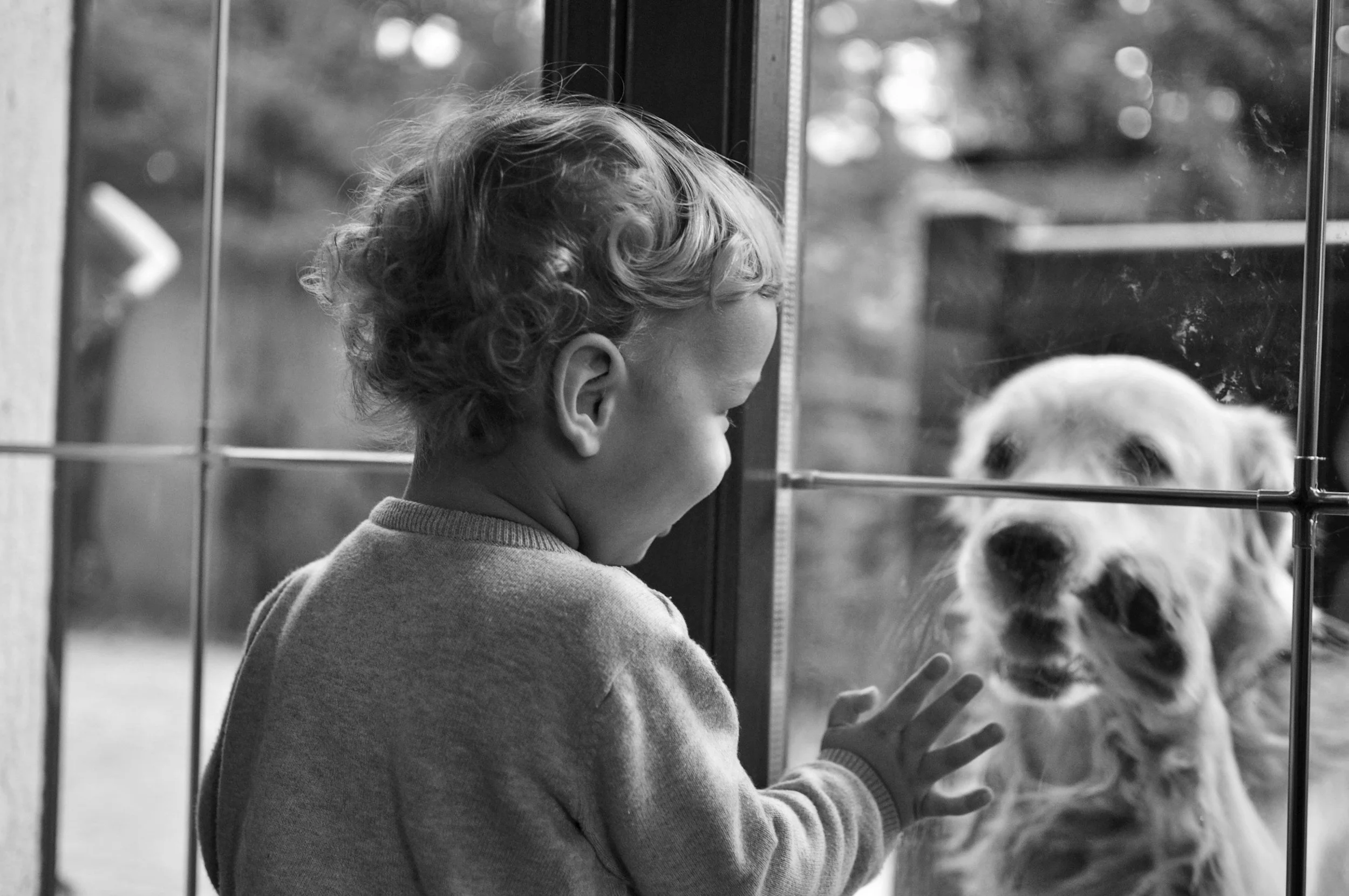
Doggy Body Language
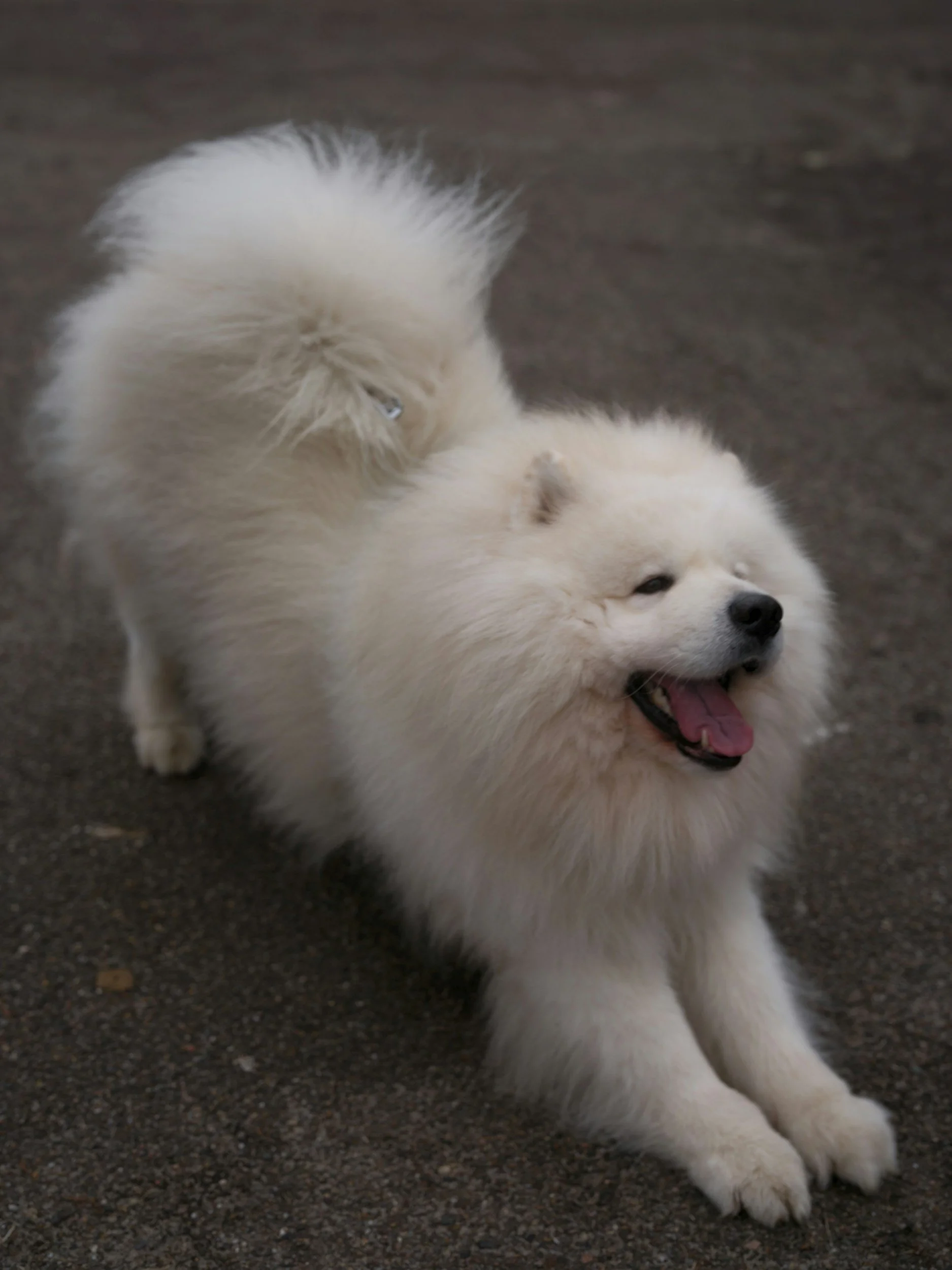
Example of a dog in the “downward dog” or “play bow” position
Wagging
Bigger wags mean bigger happiness! If your dog is wiggling and wagging their tail with their whole body then they're very happy to see you – and are probably ready to play. However, stiffer, high-tail wags may mean they’re a bit overwhelmed or unsure about the type of play/interaction, so it’s best to give them some space to calm down.
On the flip side, a tell-tale sign that your dog is asking for space is when their tail is tucked between their legs. This is a key indicator that a dog is very stressed or even scared – and is often accompanied by running or hiding. A dog in this state of stress or fear may react if they continue to be interacted with, so it’s important to give them their space during this time.
Barking
Barks can either be happy...or not so happy. But even for a happy dog, barking may indicate that they’re overwhelmed or overexcited, so it’s still a good idea to take things down a notch and give some space.
While barking can be an indication of excitement and playfulness, it can also indicate that your dog is not very happy with whatever activity might be going on around them. This is one of those times where it’s important to pay close attention to the circumstances and observe your pup’s temperament while barking. Are they galloping around with their toys and wagging their tail; or are they agitated and giving signs that they want the interaction to stop? Context is crucial.
Depending on your child’s age, it may be most beneficial to initially teach them that a barking dog means it’s time to give that pup some space. And later, as your kids get older and learn to better understand your dog’s specific temperament, introduce the idea that barking can also be playful.
Ears
Ears can be a very obvious indicator of how your dog is feeling in a particular moment. And if their ears are lying completely flattened, then it’s definitely time for a play break. When a dog’s ears are pinned back, it generally indicates apprehension, distress, or annoyance. It’s a clear sign from your dog that they need time and space away from the kids [and other humans].
Play Bow
When your dog strikes that “downward dog” pose, it’s a green light for playtime! A puppy’s rear in the air and front paws flat on the ground is a sign that your dog is feeling happy and playful. Other happy mannerisms like big tail wags and happy barking often accompany the play bow, and make it clear that Fluffy is ready to have fun.
General Recommendations
There are some recommendations that can be applied to almost any dog, that can help strengthen the relationship between your dog and your kids – and they don’t rely on having to read body language. Though these may be easy to understand for adults, they may not be so easy for kids to – so it’s important to teach these useful tips to your children.
Dogs should be left alone when in their crate. Creating a “safe haven” of sorts for your pup can be imperative to their happiness, and oftentimes this place is their crate. Have this space be theirs and theirs alone, so they’re able to sleep or spend some time to themselves when needed.
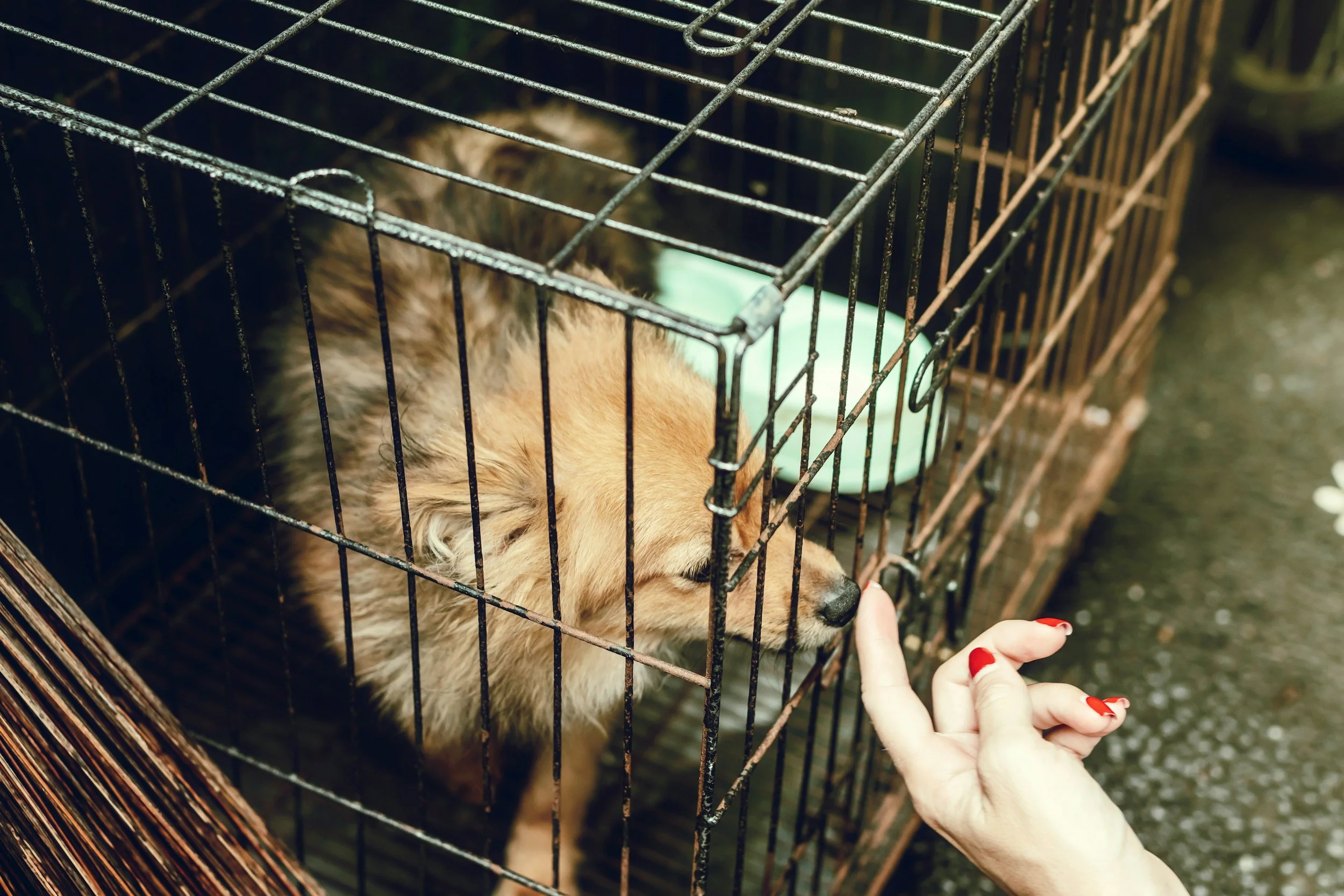
Dogs should be left alone when they’re eating, or when chewing on toys or treats. Dogs can interpret being touched while eating as a sign their food is going to be taken away, which can cause them to react. The same holds true for treats, bones, or toys – once an item has been given to a dog, they can become very protective of it, so it’s important to give your pup space and leave them alone during these times.
Pat, DON’T pull. Like with many things, kids need to learn how to properly pet dogs [and other animals]. Usually, a child’s first inclination may be to pull on the dog’s ears, tail, or limbs. Encourage your kids to replace pulling with gentle patting instead. Paying attention to your dog’s behavior as well, to make sure they are ok accepting affection in that moment.
Avoid hugging the dog. Though it’s adorable and such a sweet gesture from the kids, a hug or cuddling up on a dog can be physically overwhelming for the pup, which may cause them to react. This isn’t to say dogs never want to cuddle – in fact, some canine companions make the best cuddle buddies! However, it’s best to let the pup initiate the cuddling so you know they truly want the affection being given to them.
In Summary…
Having young kids, as well as a dog, can definitely be a challenge. But it can also be so rewarding for both you and your kids! As you have read in this article, there are some extra steps and precautions that you as parents must take to create a safe, happy, and healthy environment for your kids and your pup to thrive in. While this may call for some extra time, care, and effort on your part, it can be extremely rewarding to see the bond that grows between your kids and your dog.
Having a pet in childhood can also be extremely beneficial for your kids – by teaching them responsibility, empathy, and how to treat animals with care and kindness. The extra work it takes is worth all of the love shared between your family.
*Again, this information is here to help guide you on ways you can teach your children how to interact with dogs. Please remember to always approach interactions between children and dogs with caution, care, and respect.
Written By: Dog Tired Adventures Team
Co-Authored by Jessica Hays & Miranda Maddox
Social Media & Community Outreach Associates/Dog Walkers
References
https://www.akc.org/expert-advice/advice/how-to-read-dog-body-language/
https://www.akc.org/expert-advice/training/helping-your-dog-love-children/
https://www.bluecross.org.uk/advice/dog/keeping-your-family-dog-and-visiting-children-safe