Guide to an Aging Dog
Is the White Fur Coming In?
Our dogs are our family, which is why seeing them age faster than ourselves can be really difficult. While our pups are in their golden years, we can try our best to support them in every way we can so those golden years shine bright. Here is some advice on adjustments you can make to help your dog be at their best during their old lady and old man days.
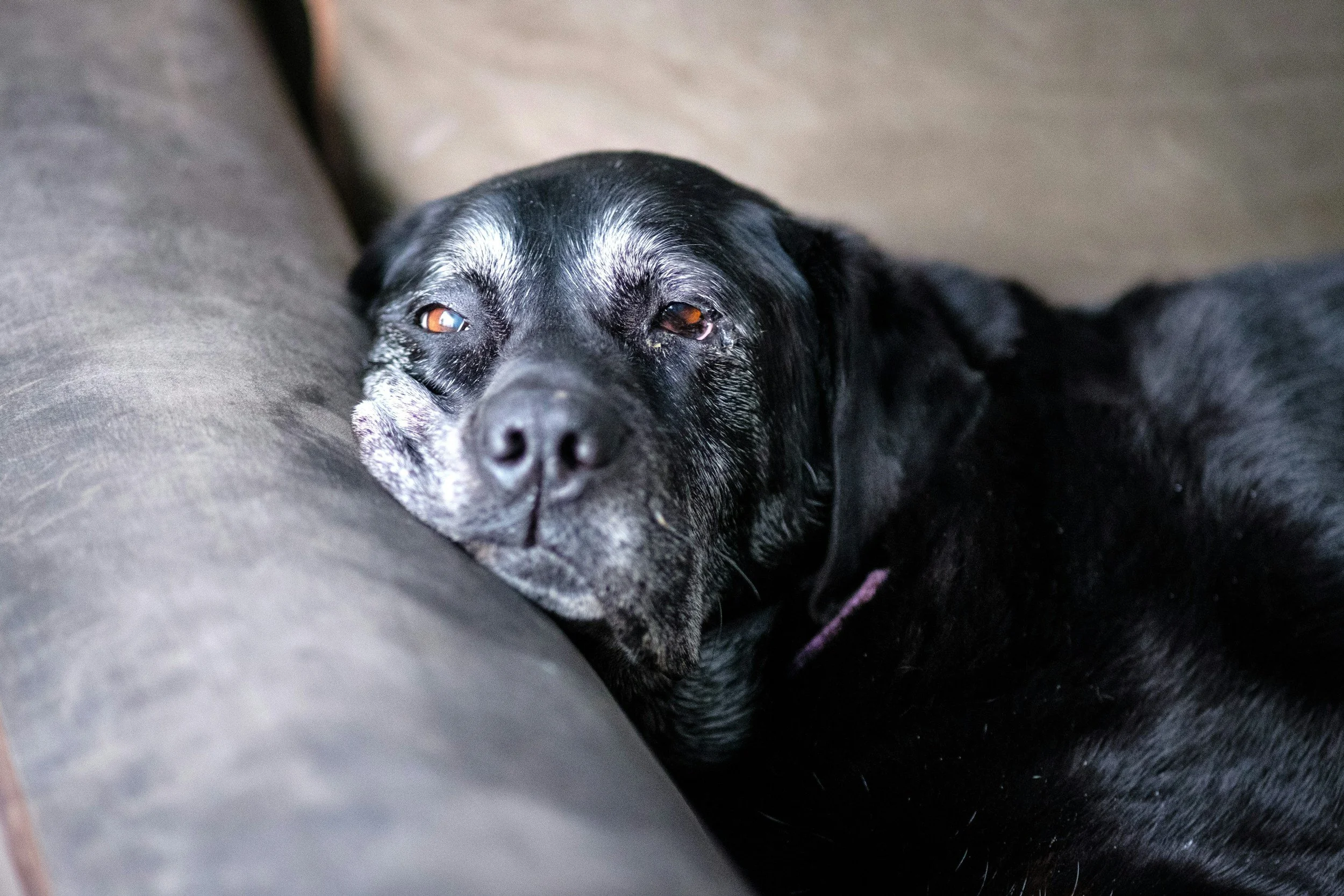
What Exactly Is An Aging Dog?
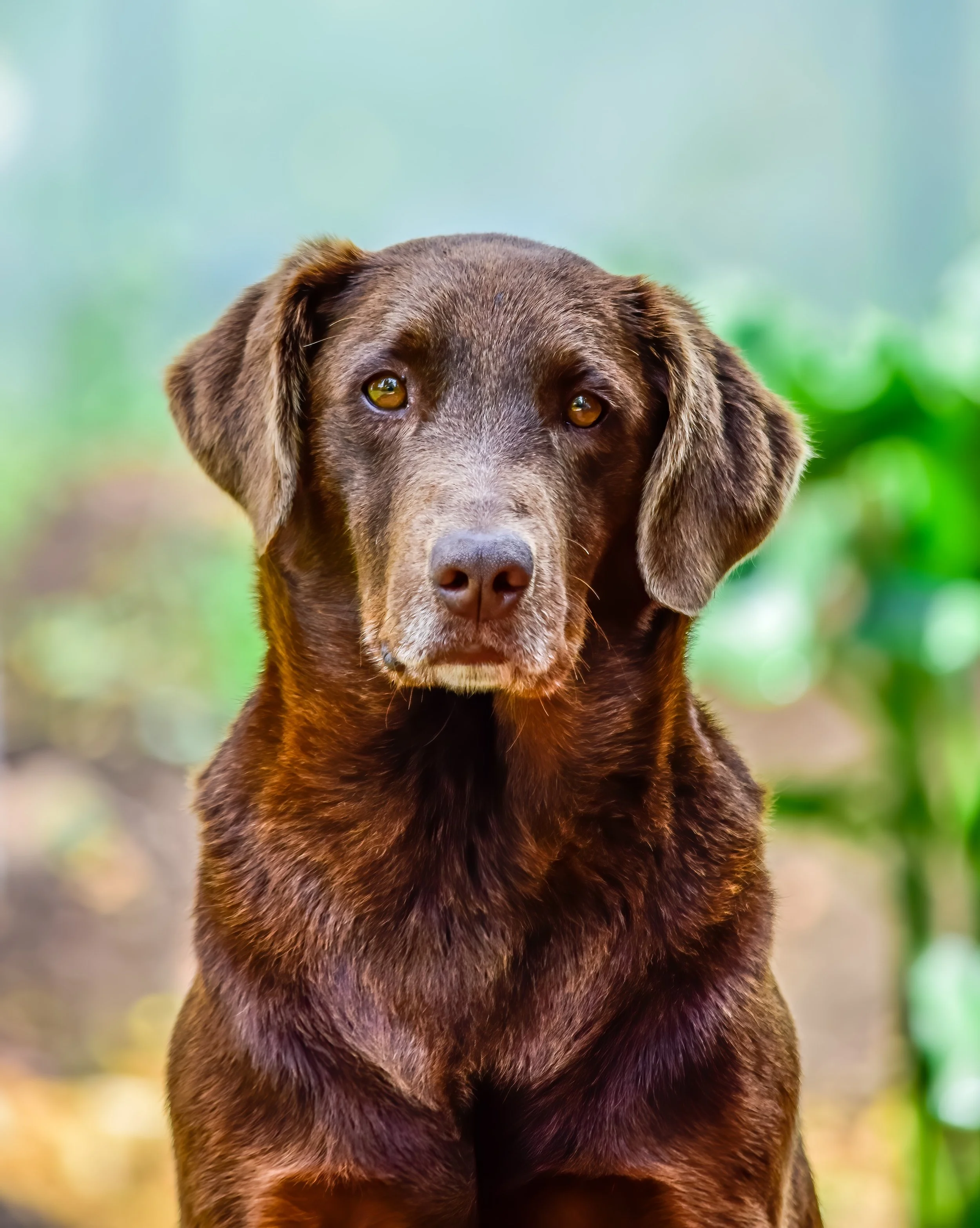
So what exactly is an aging dog? Most people know the general rule that one human year is roughly equivalent to seven dog years, but that varies depending on the breed and size of your furry friend. According to the American Kennel Club, for a medium dog, the first year of their life is about 15 human years, then the second year is about 9 years for a human, then every year after that is about 5 human years. Smaller dogs tend to live longer than larger dogs, but if you want to check for more of an exact number, check out the link below.
https://www.akc.org/expert-advice/health/how-to-calculate-dog-years-to-human-years/
During these aging years, you might notice several things happen. This can include less energy, loss in hearing, cataracts, or back pain. While these things can be hard to see, it’s important to know that it is normal and to just try the best that you can to support them.
Some Lifestyle Changes
With these changes happening, it is important to make sure your dog is routinely visiting the vet. Nobody likes the vet, but it can help make sure everything is going okay and catch anything that might cause problems down the road. Additionally, you are going to want to make sure you are brushing your dog’s teeth and getting them groomed (if they need haircuts) regularly. This will help to keep them comfortable, avoid bacteria or gum disease in their mouth, and avoid matts in their fur.
Another really important tip is to make sure your dog stays active. While they may not be able to walk as far as they used to, it’s advised to still walk them comfortable distances. Making sure they move helps to slow the aging process and prevent weight gain. That being said, keep an eye out if it seems like something is hurting them and make sure to visit the vet if it seems so.
EXTRA TIP: Dogs have a harder time regulating temperature when they are older. So, while you may treasure your snuggles, make sure you aren’t smothering them in blankets and love for too long. Also consider getting them a cooling vest for days they are walking or lounging in the sun.
Want to Put In the Extra Dollar?

Just like puppy proofing, it’s helpful to “older dog proof” your home. If you have had an aging dog before, you will know that jumping up into the car or on your bed can start to be challenging because of arthritis or other bone/joint problems. In order to help them out, try using mini stairs or a ramp to get to those higher places. Another option is to get a support sling which allows you help give them a boost up to different platforms. You can also make sure they have an extra cozy bed (such as an orthopedic) to lay in (that doesn’t require any jumping to get in) if they don’t already have one, maybe even try a heated one if your aging pup runs cold.
If you have hardwood or tile flooring, then try adding some carpet or rugs to help them from slipping and sliding. You can also get non-slip dog socks (if they will let you put them on). Night vision is another thing that can go away, so adding nightlights and blocking off stairways might be something to consider.
Another item you can purchase that can make a big difference in your aging pup’s life are supplements to make sure they are getting all of their nutrients. Make sure you do your research and confer with your vet before adding anything new to their diet. A multivitamin can make sure that they are getting all of the key vitamins and minerals needed to support overall health; this is especially important for dogs who have a weaker immune system, start to eat less, or become picky with their food as they age. If you notice that your pup is becoming stiff, less mobile, slow, and is having a hard time walking, running, or jumping, it may be a good idea to start them on a mobility supplement such as Cosequin and Fish Oil. While it is still recommended by Veterinary experts to aid your aging dogs with stairs, ramps, and/or human help in order not to strain themselves, these supplements can give them a sense of relief as well as regain some of their independence.
Therapies Galore
In addition to changing some things in your home and looking into different products, different therapies could also be a good choice. It might be hard to pick which one would be best, so check out the descriptions below to see what might be a good fit.
Laser Therapy
Now don’t be alarmed by the name: laser therapy can actually really help with pain and inflammation. There’s a lot of science behind how this works, but essentially, lasers are used to change cellular and tissue physiology. This can help with healing from an injury, arthritis, torn ligaments and tendons, and can even be used in circumstances where medicine is limited like in organ failure. If your pet is having a hard time, it might be worth talking to your vet about it.
Massage Therapy
Just like how we love a good massage, your pup might appreciate the extra support. Beyond just feeling good, massages actually help increase circulation which can reduce pain and anxiety. While your dog might love your extra hard rubs, finding an actual massage therapist could be the cherry on top. If you would like to try doggy massage at home, check out our other blog on how to do it!
Water Therapy
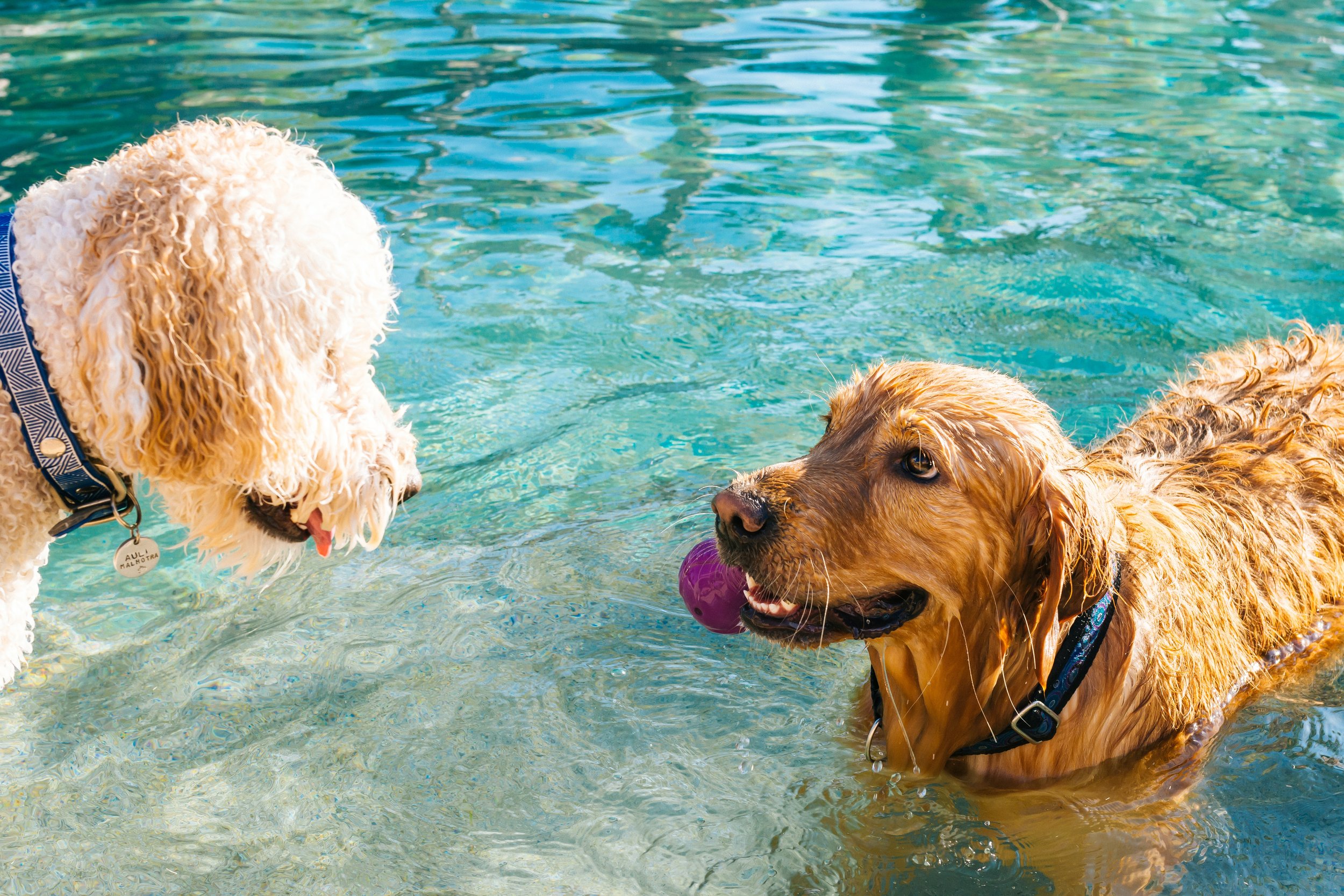
Water therapy, as the name suggests, is using water to help relieve pain on joints. It can help your dog stay active without the extra weight that might be straining their bodies. Just like how we love hot tubs, the warm water works to relax muscles. These sessions are normally 10-20 minutes, but your dog will probably want to stay in even longer.
Acupuncture
Not so unsimilar from the humans, acupuncture is when a trained professional places small needles in pressure points on the body. This can relieve pain, improve digestion, decrease stress from arthritis, and help energy and blood flow. While the actual process might be alarming to look at if you are squeamish with needles, don’t worry, it doesn’t hurt. If you are interested in learning more about doggy acupuncture, and how it could possibly benefit your pup, we have a another blog all about it!
One Thing Isn’t Changing:
Your Love For Them
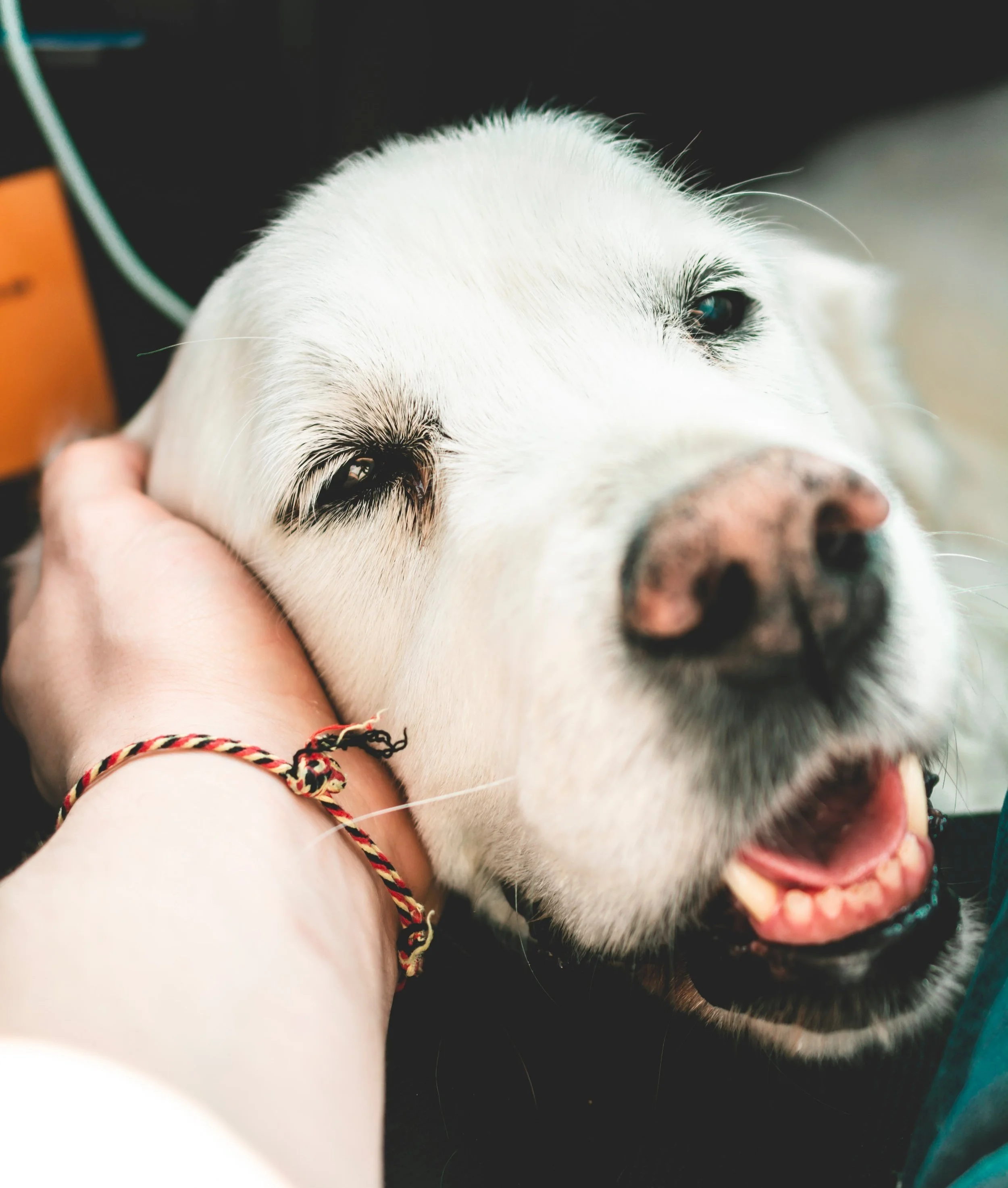
We know that watching your pup age is extremely difficult, but one thing you can still control is the amount of love and care that you give them. Make sure you are still talking them outside even if they can’t go as far, talking to them even if they can’t hear as well, and giving them just as many snuggles (although maybe a little more gentle). They know you are trying your best, they can sense the care and effort you put into making them feel loved, happy, and comfortable. Although they cannot speak, they will always show us their gratitude with their love and loyalty to us. Make the most of their senior years, possibility with the help of these tips.
*This blog may contain affiliate links
This blog was written by Samantha Dailey, a Social Media Associate at Dog Tired Adventures. Sam loves to hike around the hills, find new recipes, and to hangout with her Shih-Tzu Maltese she’s had since she was a kid.
Co-Author & Editor: Jessica Hays
Lead Dog Walker, Social Media & Community Outreach Associate
Sources
http://www.riverlandingsanimalclinic.com/news/2020/6/11/5-tips-for-caring-for-a-senior-dog
https://petcube.com/blog/senior-dog-care/
https://www.thesprucepets.com/aging-pet-care-awareness-3384785
https://be.chewy.com/senior-dog-care-holistic-therapy-options-for-older-dogs/
https://www.akc.org/expert-advice/health/how-to-calculate-dog-years-to-human-years/
https://www.aaha.org/your-pet/pet-owner-education/ask-aaha/laser-therapy/