Five Tips to Help Your Dog with An Upset Stomach
Start with the Symptoms
The furry companions in your home can be masters at hiding their symptoms when they don’t feel well. Beginning to help your dog or dogs with an upset stomach starts with acknowledging their symptoms, big or small. This article is designed to help you how to pin-point when your dog may have an upset stomach and digestive issues, and guide you on how to fix it for them.
*This is intended to be a helpful guide. Please consult your veterinarian with any questions, concerns, or when seeking advice.

Possible symptoms:
Vomiting
Trying to eat grass
Diarrhea
Loss of appetite
Salivation
Flatulence
Audible gurgling from their stomach
Bad breath
Change in behavior or mood
Your dog has an upset Stomach, but when is it time to go to the vet?

Stomach aches can be treated at home, but here are a few symptoms that go past the average ache or gurgle. If your dog is experiencing any of these symptoms, it is time to schedule an appointment with your vet as they can be signs of an underlying illness causing your dog’s upset stomach.
running a fever
lethargic
vomiting continuously
continual diarrhea
dehydrated or refusing to drink water
pacing nervously
drooling uncontrollably
retching without anything coming up
has blood in their stool
dog’s stomach appears to be distended
What causes upset stomachs?
The truth is, many things can cause issues within a dog’s stomach. It can be something simple like a dietary change or something as serious as allergies, viruses, and parasites. Many foods that are normal for humans, like grapes, garlic, onions, and chocolates, are toxic for dogs. Take in the surroundings of your dog and determine if something they ate could be a cause for their discomfort. If it is, move those problem foods away from your companion’s reach. Cabinets, high shelves, and sealed containers can all help keep curious snouts out of food that can make them sick. Allergy tests for dogs also exist if the stomach discomfort continues to persist without a sign of parasites or virus. The bottom line is, home remedies work for short term discomfort. However, anything persisting longer than a few days requires professional intervention. A random ache here and there though can be aided with the tips below.
*Even though we have provided some tips to help with occasional tummy upset in your pups, it’s always best practice to seek proper veterinary care.
Five tips to help your dog with an upset stomach:
1) Hydration
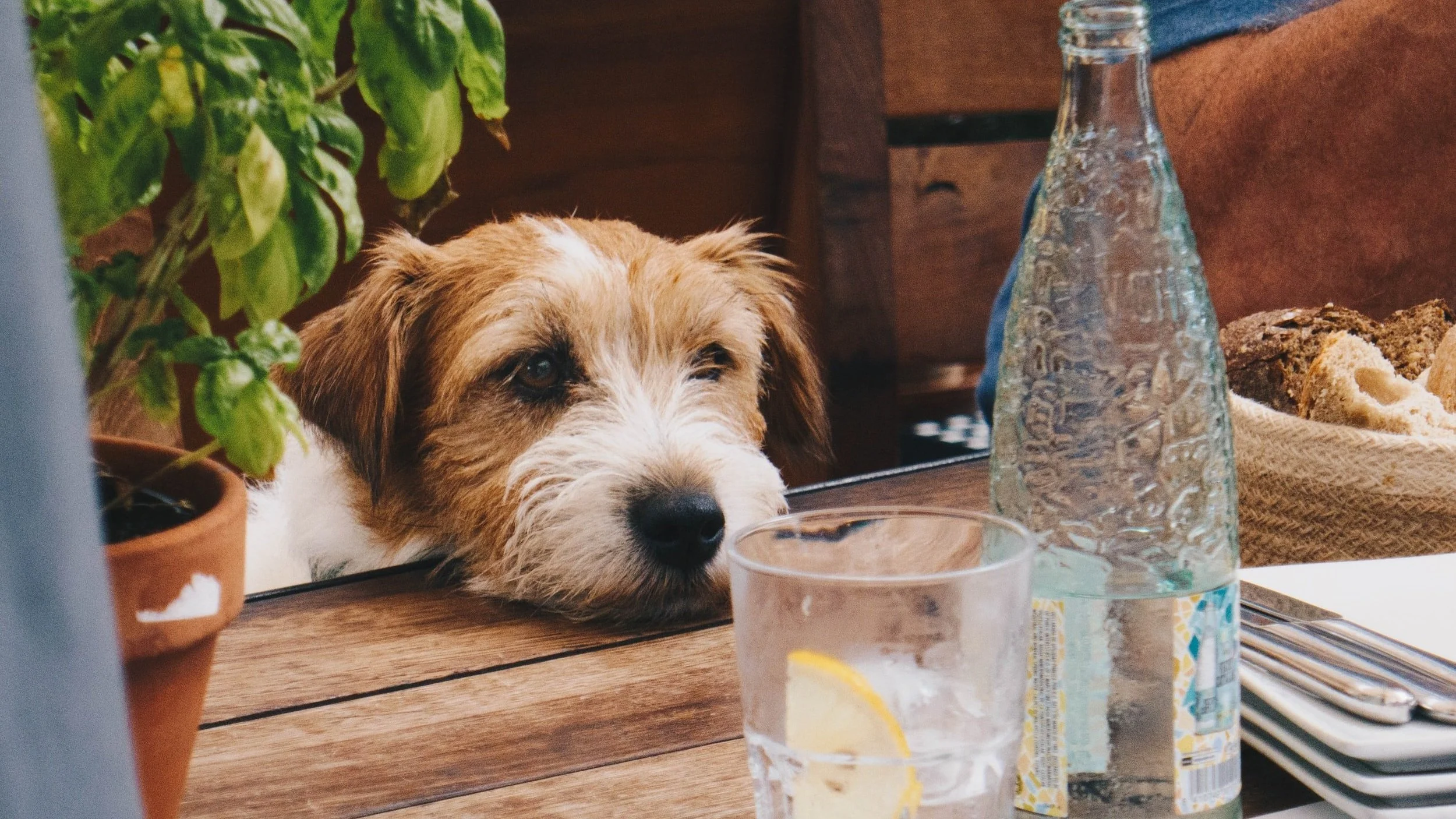
Vomiting and diarrhea often come with an upset stomach, but can lead to dehydration quickly in a pet. Dehydration can occur in as little as a couple hours, so not only can hydrating help a sore stomach, but it is crucial to keep your dog healthy as they deal with whatever is upsetting their stomach.
Water alone is not always going to cut it when it comes to getting a dog the hydration they need. Ice chips every few hours can get your furry friend some needed water in a way that encourages them to ingest it slowly. Pet electrolyte drinks specifically made for dogs can be found almost anywhere, including through Amazon.
An easy way to tell if your dog is dehydrated is to check their gums. Lift their lip and give their gums a good lookover. If they are not pink and wet there is a chance your dog is dehydrated. Especially if their gums are pale and dry. Another way to check is to press your finger to their gums. If the color doesn’t return as soon as you lift your finger, your pet may also be dehydrated.
2) Bland diet for 12-24 hours
You can also switch them over to a bland diet for a day or two, until their stomach issues settle down. You can feed them boiled chicken breast and potatoes or plain rice with some pumpkin in place of their regular meals. This bland diet will keep them full and satisfied without causing any more digestive issues. If your pup has sensitivities to poultry you can use LEAN beef, pork or lamb.
If you want your pup’s glucose levels to stay up, it is possible to rub maple syrup on your dog’s gums. Just be sure to check for the ingredient “xylitol” within any syrup before giving it to your dog. This chemical is extremely toxic to dogs and is better to be avoided at all costs.
Remember: Puppies need extra nutrients on a daily basis then adult dogs and should not fast for longer than 12 hours.
*If you have any questions or concerns about what to feed your dog or puppy while they are experiencing tummy troubles, reach out to your veterinarian for guidance.
3) Bone Broth
This tip is not only easy, but can be made with scraps from last night’s dinner. Here is a recipe for easy bone broth for dogs made within a crockpot. However, it can also be purchased online here. No matter how your source it, bone broth can be frozen or prepped within the fridge ahead of time making it an easy and quick remedy that can be grabbed and prepared essentially anytime of day. Warm bone broth can settle and soothe the stomach for your pup, just like it can do for us when we are not feeling well.
4) Probiotics
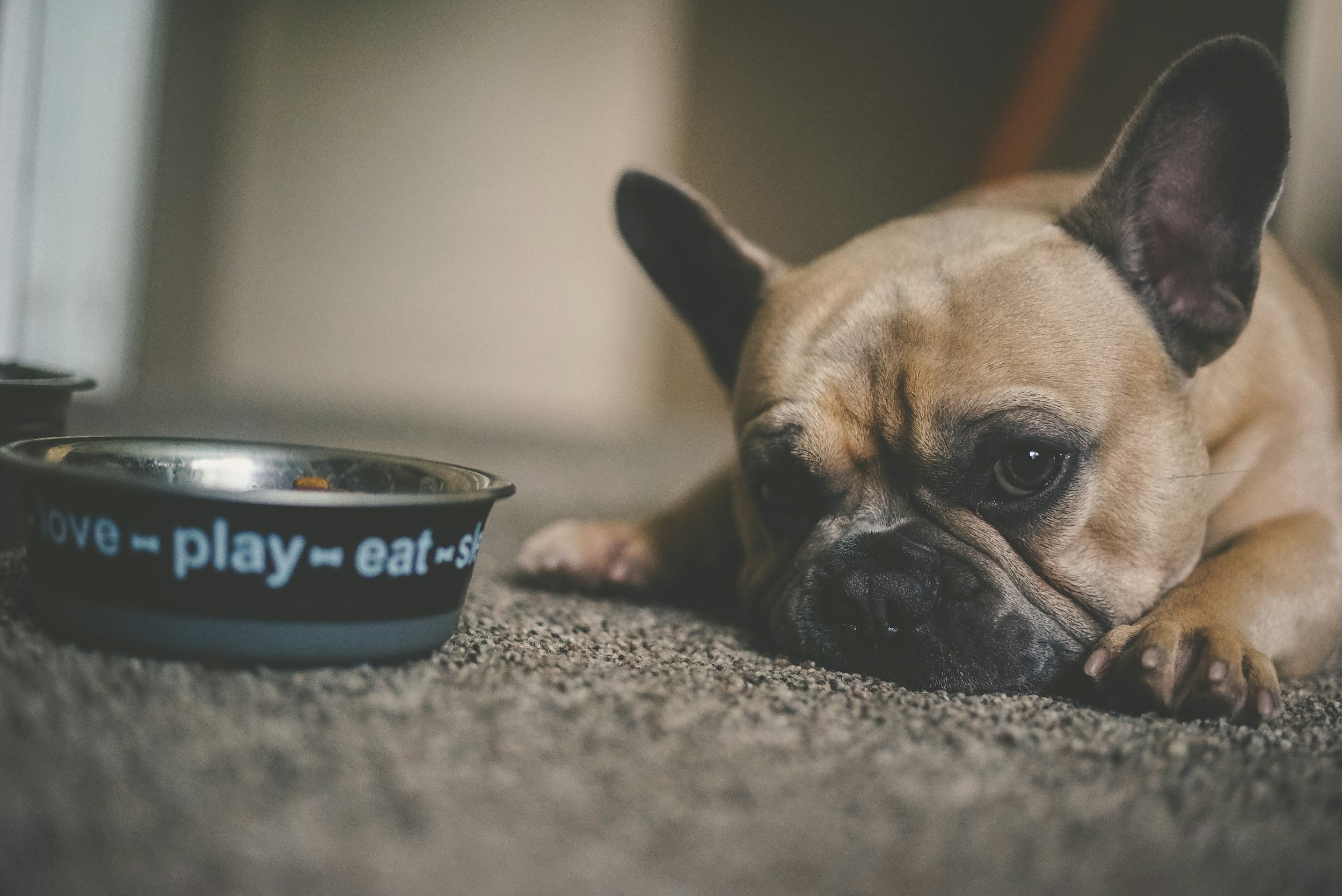
Once your dog is eating more regularly again and can hold down food, try probiotics! Probiotics are not only good for humans. They can help boost your furry friend’s GI tract and immune system in a way that helps them get over their upset stomach. They are also easily obtainable online in chewable, powder, and liquid form. Unsweetened, plain yogurt or kefir can also be a good source of probiotics for your pet on a temporary basis.
5) Foods That can help
A certain food might have been what gave your dog a stomach ache in the first place, but other foods that are soothing and regulating can help their stomach! Many options exist within the supermarket and some options can even better your dog’s all around gut health. Here are just a few options that can help alleviate stomach discomfort and calm the gurgles that have ailed your furry companion.
Plain, canned pumpkin
Oatmeal
Sweet potatoes
Bananas
Be aware of any potential allergies when it comes to giving your dog new foods. If it is their first time consuming any of these foods, be sure to supervise them as they eat these helpful treats. If it seems as though your dog is regularly having digestive issues, consider implementing some or one of these foods into their regular on-going diet for digestive support.
To Conclude…
Dealing with your pup’s digestive issues can be difficult and stressful at times. Do not panic if you notice that your pup may be having an upset stomach or digestive issues, even the healthiest dogs sometimes get upset tummies. All we can do as loving pet owners is be keen towards their behaviors and interject when we notice something is off.
If their symptoms are mild, do not be too concerned, most issues will resolve themselves within a day or two, especially when you switch to a bland diet. If their symptoms are more severe, call your pup’s Veterinary office as soon as possible to get their advice and to see if they need to be brought in for a visit. If your pup seems to have ongoing digestive issues, you may need to make an appointment at the Vet to check for allergies and sensitivities, as well as switch up their diet. We hope this article has been informative and has eased your anxiety!
*This blog may contain affiliate links
*And remember, your vet is your best resource when it comes to your dog and their health. Always reach out to them with any questions or concerns.
Written By: Dog Tired Adventures Team
Co-Author & Editor: Jessica Hays
Lead Dog Walker, Social Media/Community Outreach Associate
References and Further Reading
https://www.caninecampus.us/home-remedies-how-to-treat-your-dogs-upset-stomach-at-home
https://www.pawlicy.com/blog/remedies-for-dogs-stomach-upset/
https://pethelpful.com/dogs/Dog-upset-stomach-home-remedy