Having a Successful Walk
We all know that a dog walk typically entails much more than a simple stroll down the block.
Some dogs walk slower and for shorter distances, while others walk faster and really need to get their steps in to make sure that they are adequately exercised. Moreover, dogs also love to sniff and explore their surrounding – some more than others. And they’re often surrounded by the perfect storm of distractions: birds, squirrels, people, and even other dogs.
Depending on the personality of your dog and the environment they’re in, walks can absolutely be chaotic at times. So how do we make sure our pups are getting the physical exercise they need, the mental enrichment they crave, and an overall experience that’s enjoyable for everyone?
Let’s break it down.
Common Behavior Issues
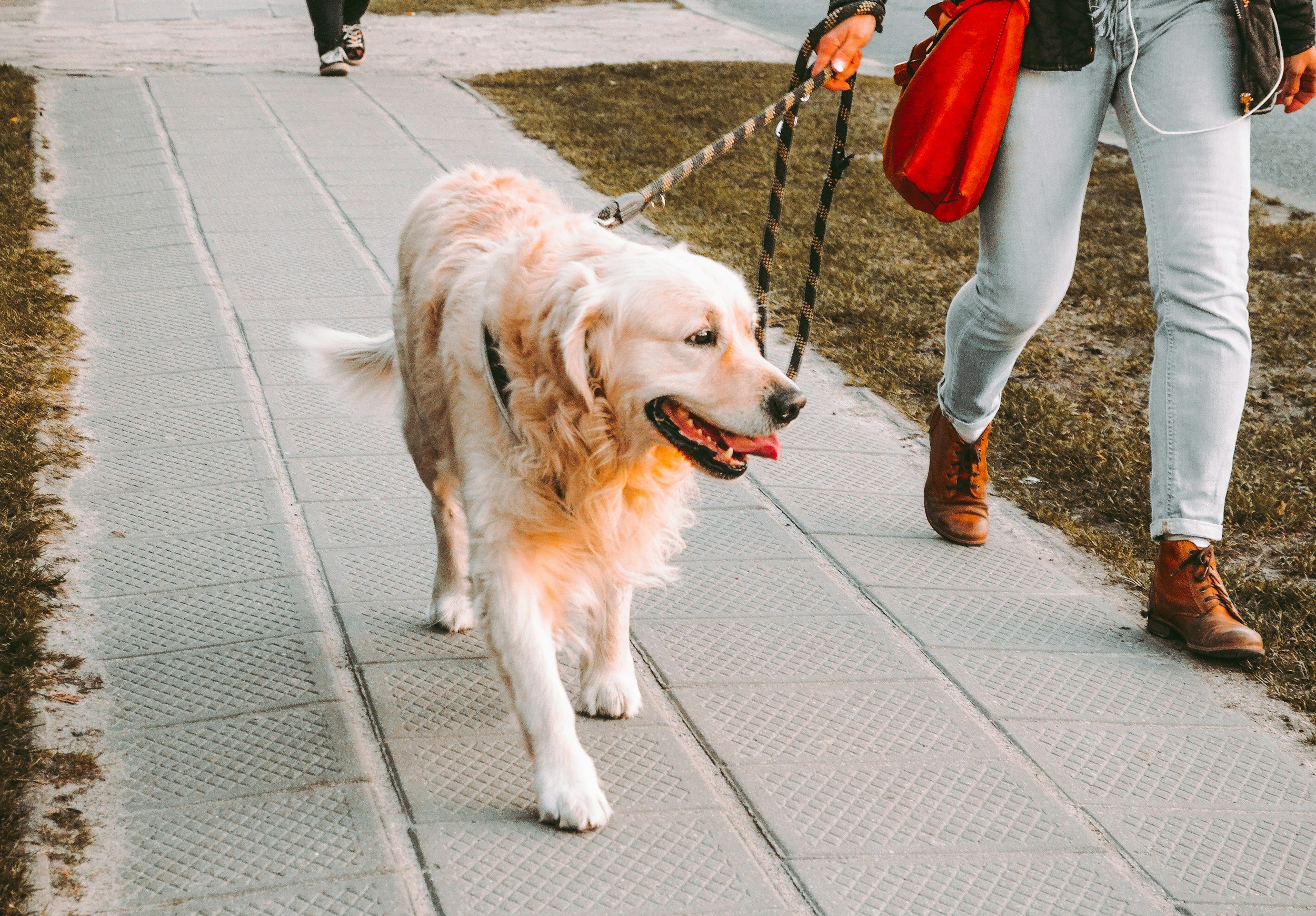
Even well-mannered dogs can sometime struggle with certain behavioral issues while out on walks, especially when they get excited, anxious, or overstimulated. Some common behavioral issues on walks include:
Pulling
Barking
Reactivity
Over-Excitement
Pulling on the leash is a frequent issue. A dog may catch an interesting smell and instinctively drag you toward it, instead of politely “pulling over” to sniff without yanking or pulling. Or they may be so focused on just moving forward that they end up maintaining constant tension on the leash – when they should be walking gently alongside you, with a nice loose leash.
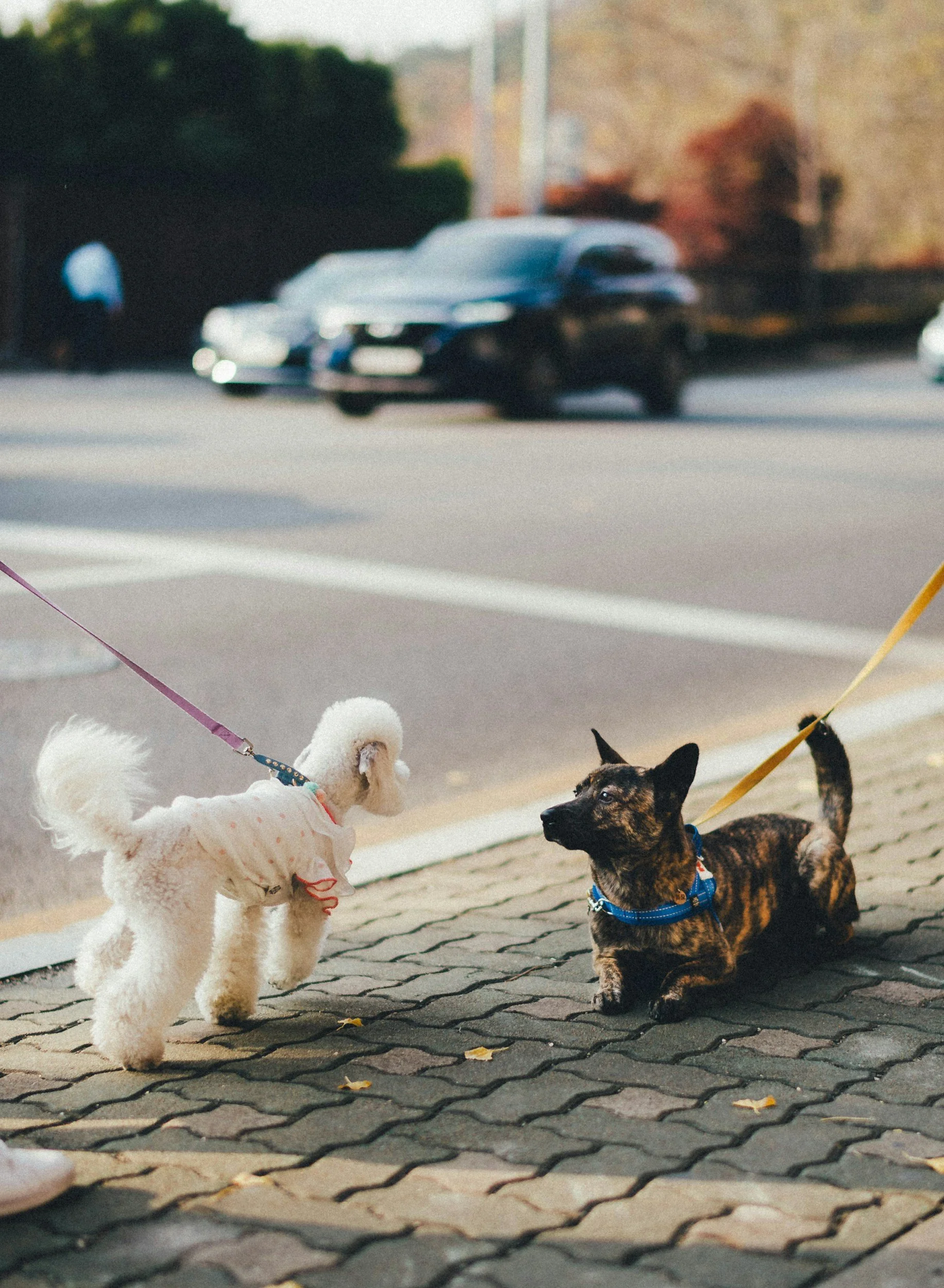
Reactivity is another common issue, and can stem from a mix of emotions like: frustration, anxiety or fear, or simply being overly excited – and often shows up as barking, lunging, or pulling toward the ‘trigger’. It’s important to pin-point exactly what is causing your dog’s reactivity, so that you can determine how to navigate situations that trigger them. A dog who is reactive due to anxiety or fear may need some extra space, while a dog who is happy and excited needs to learn how to stay calm and respect boundaries.
Many dogs can also become over-excited by everyday distractions like birds, squirrels, new scents, or even other dogs and people – and, like reactivity, this can also lead to barking, as well as lunging or pulling. When a dog gets overly excited it becomes difficult for them to regulate themselves. Adding in some training exercise and fun games can help refocus your dog and help teach them how to calm down in those exciting, overstimulating situations.
These behaviors are normal, especially in stimulating environments, but they can absolutely make walks feel chaotic. Understanding why they happen is the first step toward helping your dog navigate the world with confidence and composure – ultimately leading to a calmer, happier experience for both of you.
*A certified trainer or behaviorist is your best resources in helping you with your dog’s behavioral issues while out walking. They can help you determine what is causing you pup’s behavior, and provide you with different training methods on how to resolve these issues.
The 3 Keys to Success
We define a successful walk as one that includes:
Creating an enriching experience for your dog
An appropriate amount of exercise [based on individual needs]
Lots of fun!
Enrichment is the foundation of a successful walk. Some ways you can create an enriching experience for your pup is by allowing them to explore the environments they’re walking in, employing small play and/or training sessions, and using positive reinforcement tools and techniques. All of which will not only help strengthen your bond with your pup, but will also help reinforce the behaviors that you want to see – which can ultimately lead to a more successful walk.
When dogs are allowed to explore their environment they’re naturally calmer, more focused, and more satisfied. Once they’re in that state – games, training, and the walks themselves will be much easier and more fulfilling for you and your pup. For dogs that are mentally stimulated and emotionally supported, the physical exercise and the fun naturally follow.
How Do We Achieve This
Think of yourself as your dog’s tour guide. We’re the ones leading our pups through the world, choosing safe and interesting places for them to explore and giving them time to enjoy the outside, while making sure they receive all the physical and mental exercise that they need and crave.
Our greatest tool to being a guide for our dogs is consistency.
Dog’s thrive off of consistency – they learn through patterns, which consistent schedules provide them. It also builds a sense of trust and security for your pup, prevents confusion, and acts as a sort of “conditioning” for them (they learn what to expect and when to expect it). So building a routine of when, where, and for how long you take your dog for a walk is very important.
Most dogs benefit from daily walks, often totaling 30–60 minutes a day, sometimes split into multiple outings depending on their age, breed, and overall health or activity level. Incorporating small training exercises or games throughout these walks also helps keep your dog engaged with you along the way. Simple obedience cues, scent games, reward-based activities, and exercises that encourage eye contact or checking in all help build better recall and strengthen your connection.
Also, allowing your dog to sniff and explore their surrounding is crucial. For a dog, sniffing is a form of mental enrichment that helps regulate their nervous system. “Fascinating fact: Dogs have a sense of smell that’s between 10,000 and 100,000 times more acute than ours!” - ACK (American Kennel Club). So in a way, they ‘see’ the world through their noses.
Being mindful of your surroundings is also very important while out with your pup – especially if you have a dog that is reactive, anxious, or gets a bit over-excited. Paying attention to potential triggers, unsafe situations, or anything else that might overwhelm your dog is paramount. Your pup relies on you to keep them safe, and advocate for them – giving space when needed, crossing the street to avoid a trigger, or pausing to let them decompress builds essential trust.
Tools for Your Walk
The right tools can make a big difference in the success of your walk. Choosing the right collar, harness, and/or leash that suit your dog’s needs is fundamental. It can be daunting to choose which tools are right for you and your dog, but a certified dog trainer will be able to help you pick the perfect match for your pup’s needs.
It’s also important to bring along treats and even toys to help support training and enrichment throughout your walk. Remember to always reward the good! Using high-value treats, verbal praise, happy tones, and little moments of play help reinforce calm, confident behavior.
Some other tools that can help you on your outings together are water, a collapsable water bowl, and a doggy fanny-pack and/or treat pouch.
Aging Dogs
What does a successful walk look like for your senior pup?
Senior dogs still benefit greatly from regular walks, but their routines often need some thoughtful adjustments. It’s important to start by checking in with your vet – they can help you understand your dog’s physical limitations and recommend an exercise plan that better supports their health as they age.
Older dogs commonly experience reduced muscle mass and osteoarthritis, so it’s important to go slow and be patient. Gentle warm-ups like a few minutes of light play, simple training exercises, or even a gentle massage can help relax stiff muscles and joints – especially on cold mornings when arthritis tends to flare-up most. It’s also best to engage in more low-impact activities, like gentle walks or even swimming. Avoid running or jumping, and stick to soft surfaces like grass or sand; which are easier on their joints. You may also need to modify your routes – some familiar paths may become too strenuous, or your dog may tire before reaching their favorite spot. Adjust as needed, and consider driving them to their preferred walking areas so they can enjoy more time exploring without overexerting themselves.
Keeping to shorter walks (around 10-15min – though some dogs can handle more depending on their comfort level) a couple of times a day is also a good practice. Remember: consistency is still key, even for our senior pups. Routine movement helps maintain joint health, muscle tone, cardiovascular function, and overall quality of life, “Any activity is better than no activity” – Dogster. Also, mental enrichment remains just as important for senior dogs, as it does for younger dogs. Sniffing, puzzles, and short training sessions keep their minds active and engaged, and is great for their cognitive health.
Watch for pain and/or discomfort:
Limping
Stiffness
Reluctance to move/walk
Excessively tired
Vocalization (whining or crying)
Take breaks when needed and listen to your dog if they need to pause.
*And seek veterinary care if you notice your pup experiencing sign of pain or discomfort.
Conclusion
A successful walk isn’t about perfection – it’s about connection. When we give our dogs the chance to explore, think, move, and feel safe with us, walks become more than exercise. They become shared adventures that strengthen your bond and support your dog’s physical and emotional well-being.
So in the beginning, worry less about the distance covered in a walk, and more abut the quality of the walk overall. Don’t worry about “perfection” but about progress – distance on your walks will build over time.
Finally, keep things fun and take breaks when needed. If things get a little crazy just pause, let your dog observe, reward the calm moments, and gently redirect when needed. Walks should feel enjoyable, not rushed or stressful. With consistency, patience, and a little creativity, every walk can be a great one.
Written By: Miranda Maddox
Social Media & Community Outreach Associate/Dog Walker
References
ASPCA Team. “Common Dog Behavior Issues.” ASPCA, The American Society for the Prevention of Cruelty to Animals (ASPCA), 2026, www.aspca.org/pet-care/dog-care/common-dog-behavior-issues.
ASPCA Team. “9 Tips to Get the Most Out of Walks with Your Dog!” ASPCA, The American Society for the Prevention of Cruelty to Animals (ASPCA), 18 June 2024, www.aspca.org/news/9-tips-get-most-out-walks-your-dog.
Cosgrove, Nicole. “11 Tips for Exercising Your Senior Dog - Vet-Approved Guide.” Edited by Dr. Marta Vidal-Abarca, DVM, BVSc GPCert (Ophthal) MRCVS, Dogster - Dog Health & Care, Dogster, 20 Oct. 2025, www.dogster.com/dog-health-care/exercise-tips-for-senior-dog.
Vetnique Team. “Exercising Older Dogs: Tips for Keeping Senior Dogs Active.” Edited by Dr. James Bascharon, DVM, Vetnique Labs LLC, Vetnique Labs, 15 Apr. 2025, https://vetnique.com/blogs/vets-corner/exercising-older-dogs.
Schade, Victoria. “Dog Sniffing Benefits: Why ‘Scent Walks’ Are So Important.” Edited by Hannah Hart, DVM, PetMD, Chewy, 4 Sept. 2025, www.petmd.com/dog/behavior/importance-scent-walks-dogs.
Riddle, Craig. “What Are Positive Reinforcement Tools for Dogs? .” Train Smarter, Not Harder, Train Smart Dogs, 10 Apr. 2026, https://trainsmartdogs.com/what-are-positive-reinforcement-tools-for-dogs/.
AKC Staff. “12 Dog Training Tips for All Types of Dogs.” AKC, American Kennel Club (AKC), 26 Feb. 2026, www.akc.org/expert-advice/training/training-tips-for-all-dogs/.
AKC Staff. “AKC Scent Work.” AKC, American Kennel Club (AKC), 2026, www.akc.org/sports/akc-scent-work/.
Rowlands, Richard. “Tips for Training Your Dog: AKC Pet Insurance.” AKC, AKC Pet Insurance, 4 Jan. 2023, www.akcpetinsurance.com/blog/dog-training-month-2022.
Patterdale, Sassafras, CPDT-KA, CTDI. “Urban Dog Skills: Training Tips for City Dogs.” AKC, American Kennel Club (AKC), 21 Jan. 2025, www.akc.org/expert-advice/training/urban-dog-skills/.
Johnstone, Gemma. “Do Dogs Sniff to Get Their ‘Social Media’ Fix?” AKC, American Kennel Club (AKC), 5 Oct. 2022, www.akc.org/expert-advice/health/is-sniffing-a-dog-s-version-of-social-media/.