Tackling Winter with your Pooch
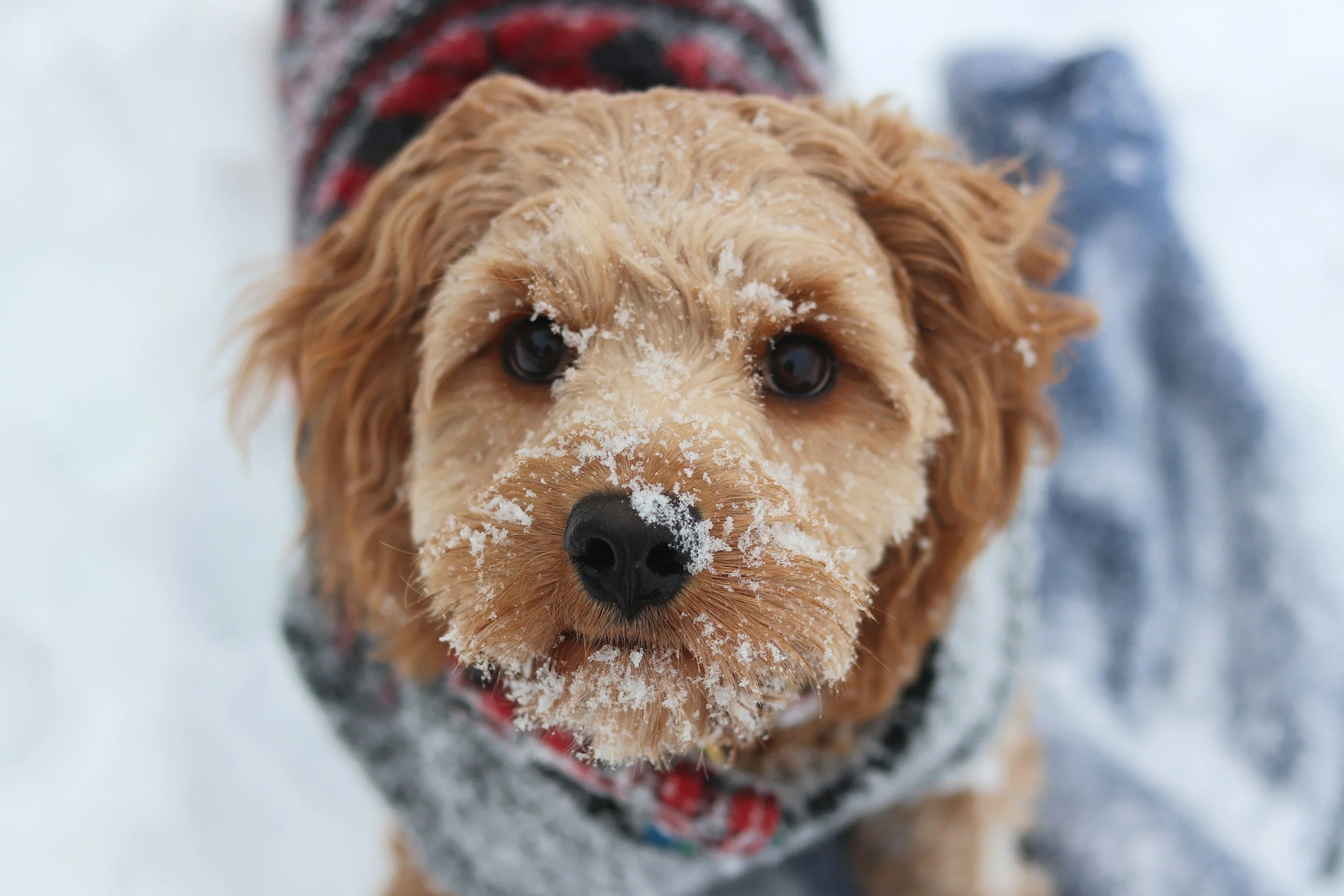
Preparing for the winter, whether staying in the Bay Area or traveling to colder destinations, is a vital part in keeping your pup happy and healthy. Luckily, in California our winters tend to be pretty mild, with only a small portion of the state getting a bit of snow.
However, it is still important to know how to keep your pup comfortable and safe when temperatures drop, especially if you plan on visiting somewhere much more frigid! This blog will walk you through some winter hazards, some tips to make winter walks more manageable, and the symptoms of hypothermia and frostbite in dogs.
Winter Hazards
Mud
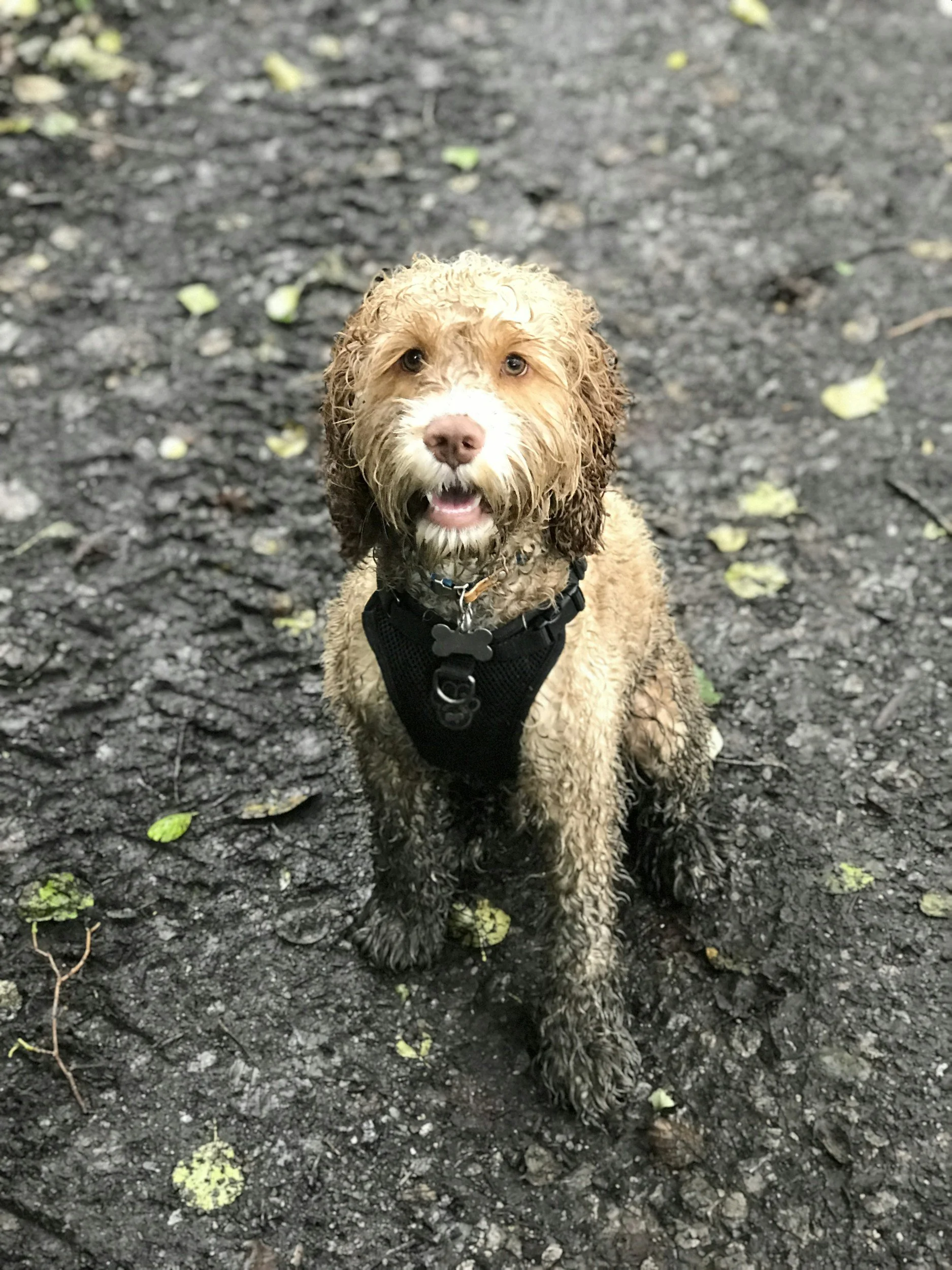
An increase in rain in the winter is no surprise to any Californian. With more rainfall and the hills on our beautiful horizon comes an unfortunate outcome – lots and lots of mud. Although many dog owners aren’t keen on their pup ingesting mud, it’s important for owners to understand that mud can actually be quite dangerous, especially if the mud contains natural clay.
Mud can contain abnormally high amounts of bacteria causing digestive problems for your pup, including diarrhea and vomiting. It can also pose a serious threat for gastrointestinal blockage; dogs cannot properly digest mud, especially if it contains clay. It can also (obviously) create a huge task of having to wash and brush mud out of your pup’s fur, which can take up a lot of your time (and shampoo). Help keep your dog’s throat, gut, and intestines clean by steering them clear of mud.
Another issue with mud, and what most dog parents are primarily concerned about, is how messy it is when out walking in it. Especially if your pup has longer fur, mud can get caked onto your pup and become extremely difficult to remove, especially if the mud has a high percentage of clay in it. Our biggest piece of advice to limit this would be to protect their fur with jackets, sweaters, and boots to prevent the caking of mud in their fur and paws. Our next piece of advice would be to keep some products with you or nearby to remove the mud as soon as possible so it has less chance of getting stuck and drying. One product that we recommend is a “Mud Buster” which is essentially a cup with silicone bristles that you can fill with water (and shampoo if you would like) that makes it quick and simple to clean your pup’s muddy paws. We would also recommend keeping a de-matting comb that can help break up stubborn or dried-up mud that has started to cause matting in the fur. Another helpful product is waterless shampoo, this no-rinse-needed shampoo can help soften and detangle the fur without needing a full-on bath. This is great for a quick fix, or to pre-treat stubborn areas of mud before heading into the bath.
Ice & Snow
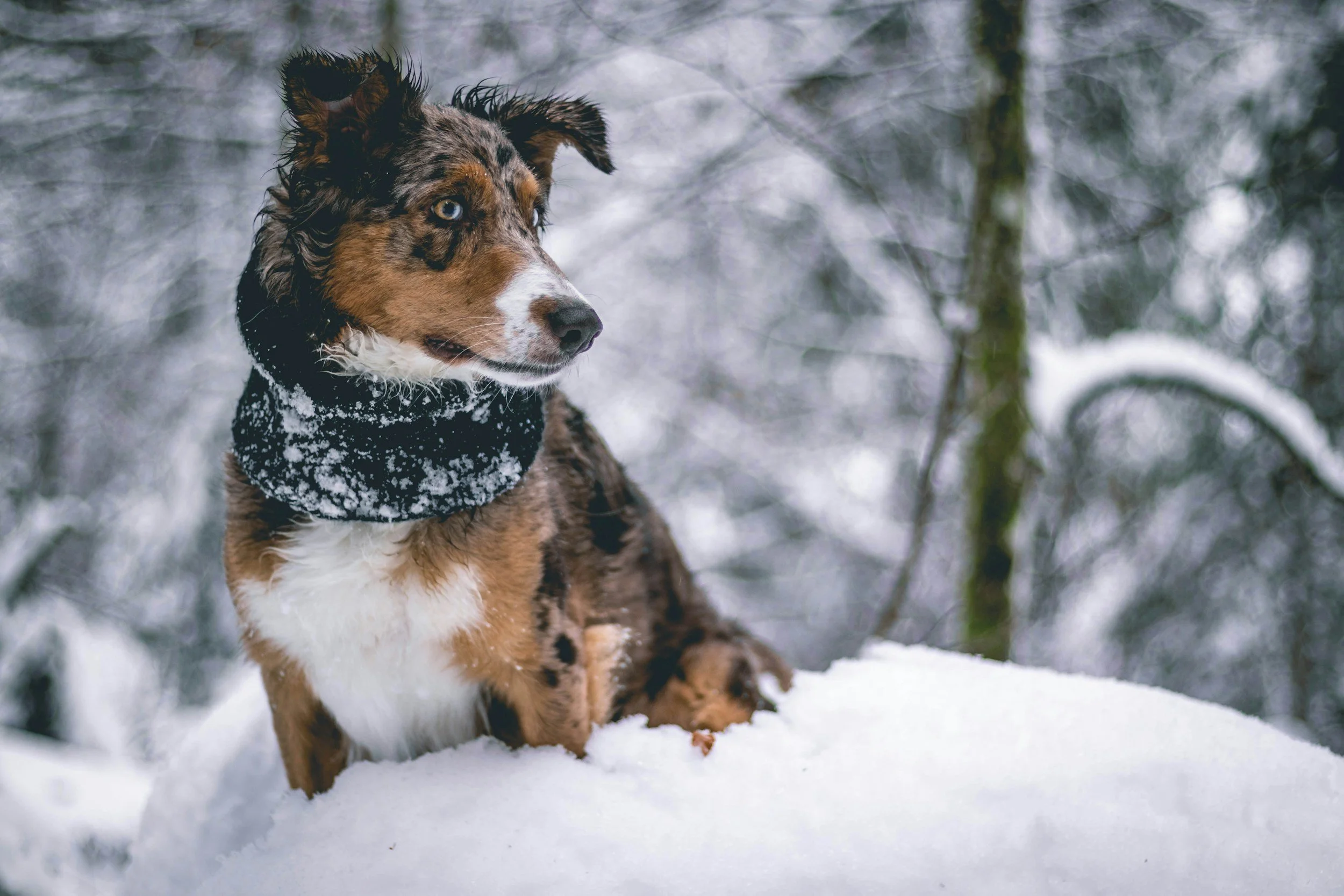
Avoid walking on frozen water – it is often impossible to determine the stability of ice sheets from above, and walking on them places you and your dog at risk of falling through. Ice can also be uncomfortable for a dog to walk on, especially if they have sensitive paws! Walking over ice or snow can cause frostbitten paws as well as cracked and bleeding skin. When walking in these elements, either shorten their exposure to the ice or snow, or consider buying booties to keep their paws safe!
Dogs with arthritis or that are aging may be particularly sensitive to ice, snow, and cold weather in general. They are more prone to slipping or falling, having weak and stiff joints, and having weakened lung capacity – all of these concerns may make these cold elements hard to bear. Our recommendation would be to keep your aging or arthritic pup indoors where it is warm, as much as possible, if you are in an extremely cold climate. When going outside for potty time or a walk, keep an extra good eye on them, check their paws, pay attention to their breathing patterns, keep them warm with booties and a winter coat, and make sure their exposure is short.
The Cold
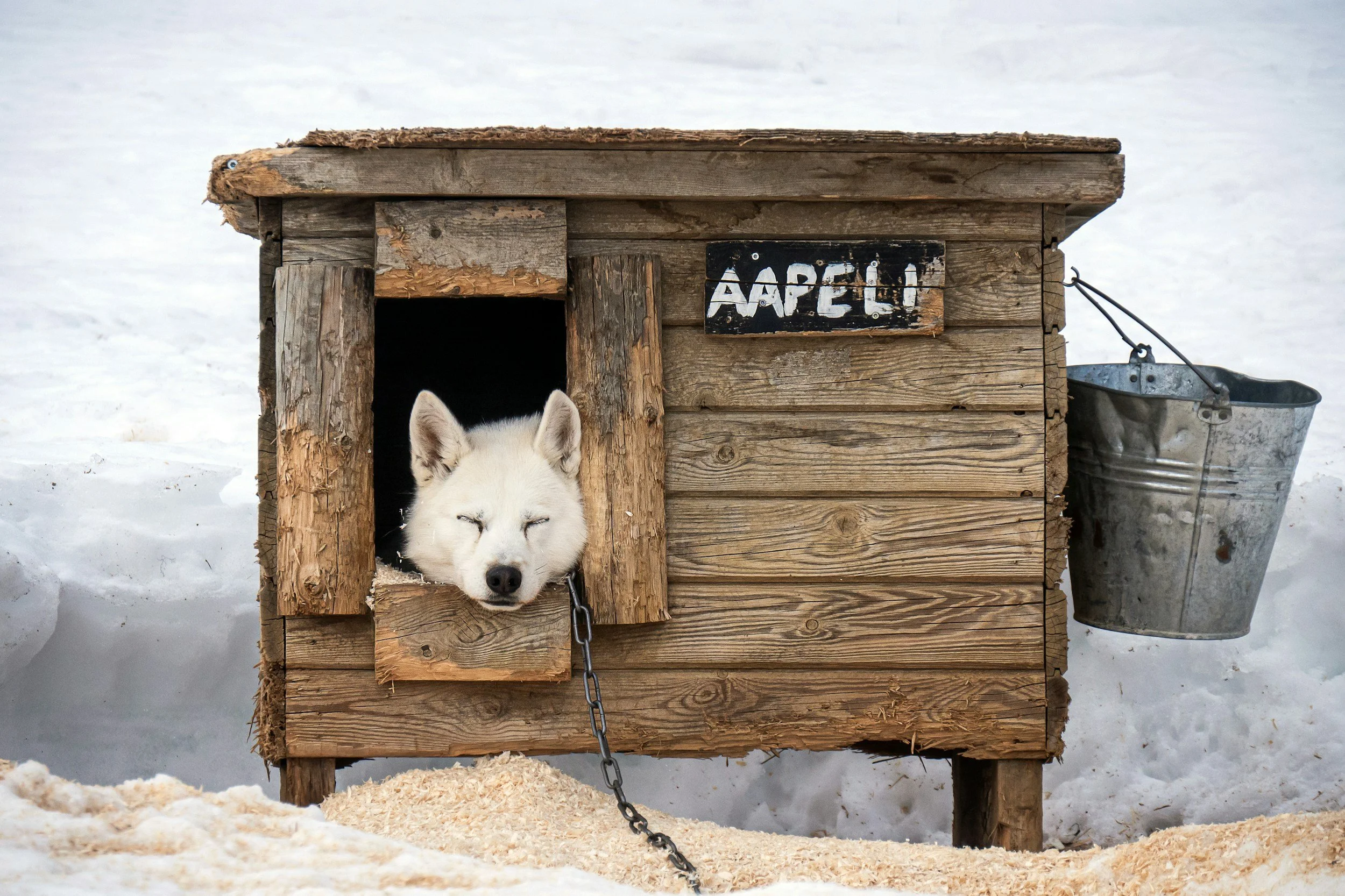
Severe cold weather can cause a host of issues, such as hypothermia and frostbite. Hypothermia occurs when the body’s temperature is significantly lower than normal – for dogs, this is 98 degrees or lower. Understanding if your dog is hypothermic could save their life. Symptoms of hypothermia in dogs include: lethargy, pale gums, shivering, reluctance to move, and moving stiffly. If your dog is showing one or more of these symptoms after an exposure to the cold, seek medical attention immediately. In the meantime, move them to a warm location and wrap them in blankets.
Icy and snowy conditions can also put your pup at risk for frostbite. Frostbite is the diversion of blood flow from the outer extremities to the core organs to keep them operating. Symptoms of frostbite are redness, swelling, blistering, blackened/darker color, and pain/constant licking of a particular area. The protocol for frostbite is largely the same as hypothermia – move your pup to a warm location and seek medical attention immediately. Do not massage the affected area. If your dog is suffering from hypothermia, treat the hypothermia first.
The best course of action is to always be proactive about the possibility of hypothermia and frostbite by using preventative measures in frigid climates. You can do this by limiting outdoor time to potty breaks and quick play sessions, protecting them by bundling them up in sweaters and boots, keeping them dry by toweling off moisture from snow, rain, and ice, and providing them with a warm and cozy space in the home. If you notice your pup is shivering, immediately retreat them into a warm home, bundle them up in blankets, and allow them to cozy up in a warm, draft-free space.
Tips
Take care of their coat and skin. Placing booties or petroleum jelly on your canine’s paws before walking protects them from multiple hazards – it prevents possible absorption or ingestion (from paw licking) of antifreeze chemicals on the ground (usually salt or an artificial antifreeze chemical), keeps their paws warm, and can help prevent cracking, bleeding, and frostbite.
If you know your dog would hate having Vaseline on their toes and can’t strut in booties, wiping their paws down with a warm, damp cloth after a walk also decreases the risk of an irritant getting in their mouth. Dogs’ skin and fur can also be especially susceptible to dryness, cracking, and flaking when it is cold. Do not overbathe; use a moisturizing shampoo and/or conditioner, and if possible keep your home humidified.
Keeping small treats with you on walks can help divert the attention of your dog if they’re keen on snacking on mud or licking pavement during your winter outing. Avert their attention using a trigger word such as their name, and hand them a treat as a reward. This can prevent them from stomach blockages, bacterial infections or viruses, as well as from being poisoned by antifreeze.
Keep them warm and cozy. If the climate is especially frigid and icy, keep your pup indoors where it is warm and comfortable (other than a bathroom break and/or a short walk of course). Do not leave your pup in the car when temperatures are extremely frigid or freezing – cars trap in the cold on those freezing days, just as they trap in heat on the hot days, so it can be just as dangerous as keeping them in the car on an especially hot day.
When taking them out for potty time, a walk, or play time outside, bundle them up! Booties are not only good for preventing hazards, but also for keeping those paws warm and dry! A solid winter coat can also keep them comfortable in the cold.
Be prepared for the worst. If you are vacationing or living in a climate that is prone to extreme winter storms, blizzards, and power outages, then our best advice for you would be to stay prepared. Keep gas- or battery-powered lights and heaters on hand, plenty of blankets, enough food, water, and any medications needed to make it through at least a week.
Conclusion
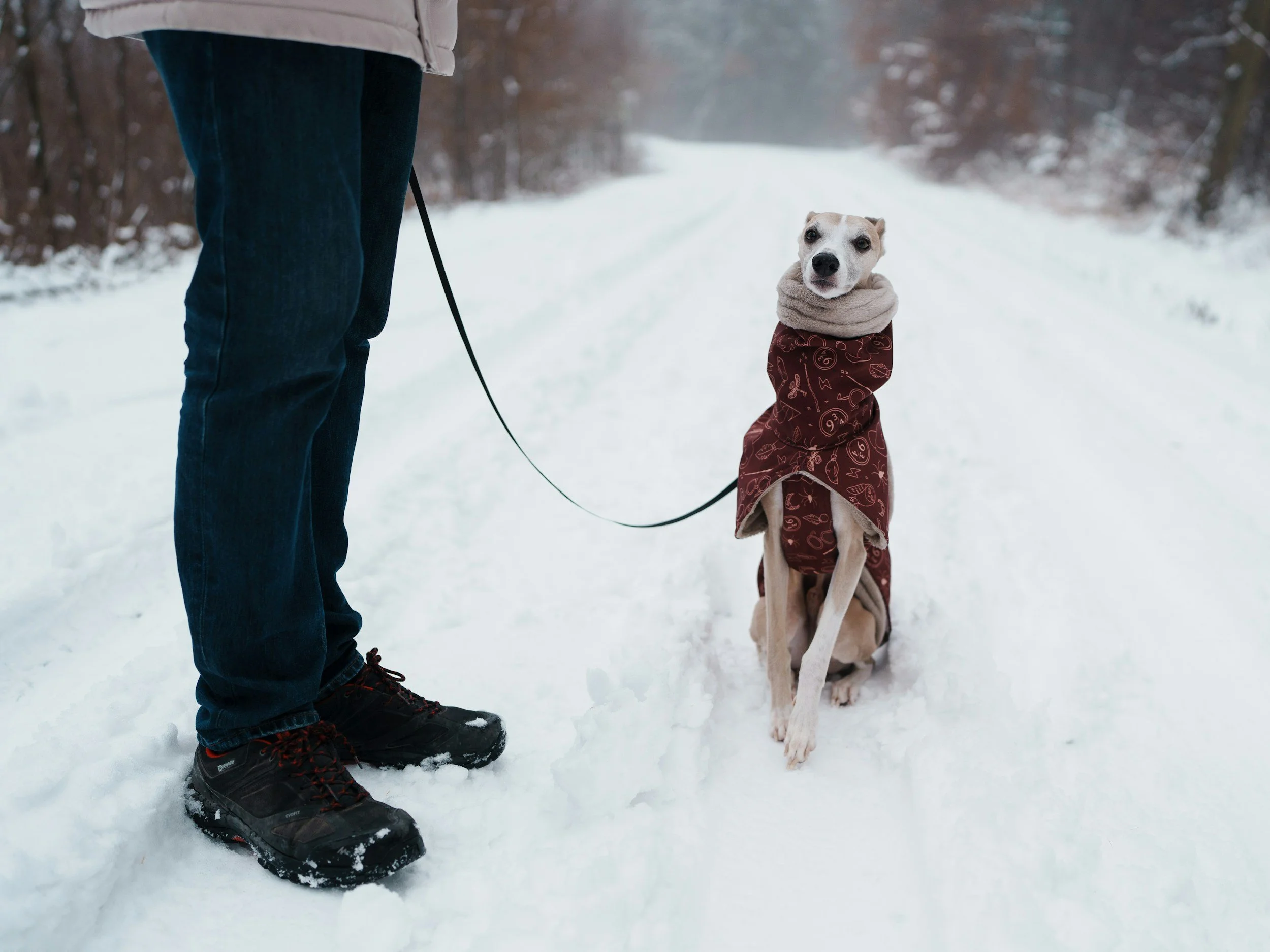
To conclude, while bringing your pet with you on a snowy retreat during winter can be extremely fun-filled and exciting, there are also a few safety concerns to keep in mind as well! Those who live in areas that are known to get snow may be no stranger to these concerns, and are likely already prepared!
However, if you are traveling or moving to a cold and/or snowy climate, we hope this article has given you some important insight into the possible consequences of not being prepared for severe weather with your pup. As loving and devoted dog parents, we always want to keep them happy, safe, and healthy; we hope this blog has guided you in the right direction to do just that during your chilly stay.
*This blog may contain affiliate links
Written & Edited by: Jessica Hays & Dog Tired Adventures Team
Lead Dog Walker/Social Media and Community Outreach Associate
Sources
https://www.redcross.org/about-us/news-and-events/news/Winter-Safety-Tips-for-Your-Pets.html
https://www.petmd.com/dog/behavior/why-do-dogs-eat-dirt
https://www.countryvet.net/blog/winter-pet-safety-tips.html
https://www.avma.org/resources-tools/pet-owners/petcare/cold-weather-animal-safety
https://www.petmd.com/dog/conditions/cardiovascular/dog-hypothermia